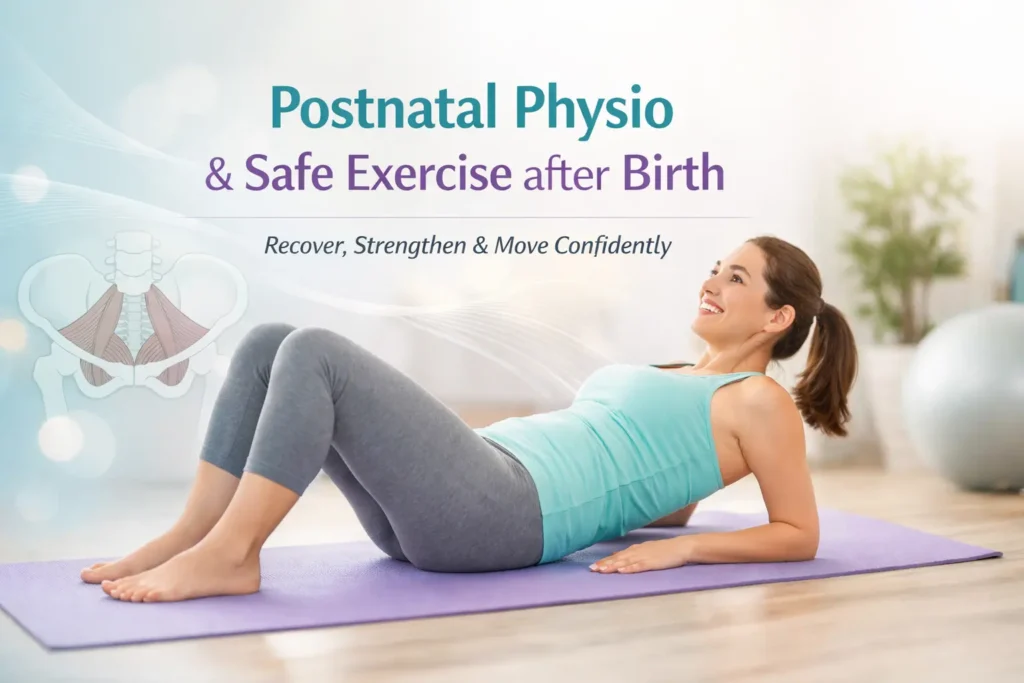
Introduction: Why Postnatal Exercise Matters in 2026
Scientific data validate that physical activity and exercise during pregnancy and postpartum result in positive health outcomes for the mother, the newborn, and the fetus. The benefits include lower chances of going through excessive weight gain, pregnancy-related diabetes, preeclampsia, preterm birth, delivery and newborn complications, and postpartum depression.
Parents who decide to incorporate regular physical activity/exercise in their lifestyle are more likely to have children who practice physical activity regularly as well. Rehabilitation professionals are instrumental in assisting women to get back to their exercise routine and/or start engaging in physical activity, which can create a ripple effect of benefits for society and the healthcare systems.
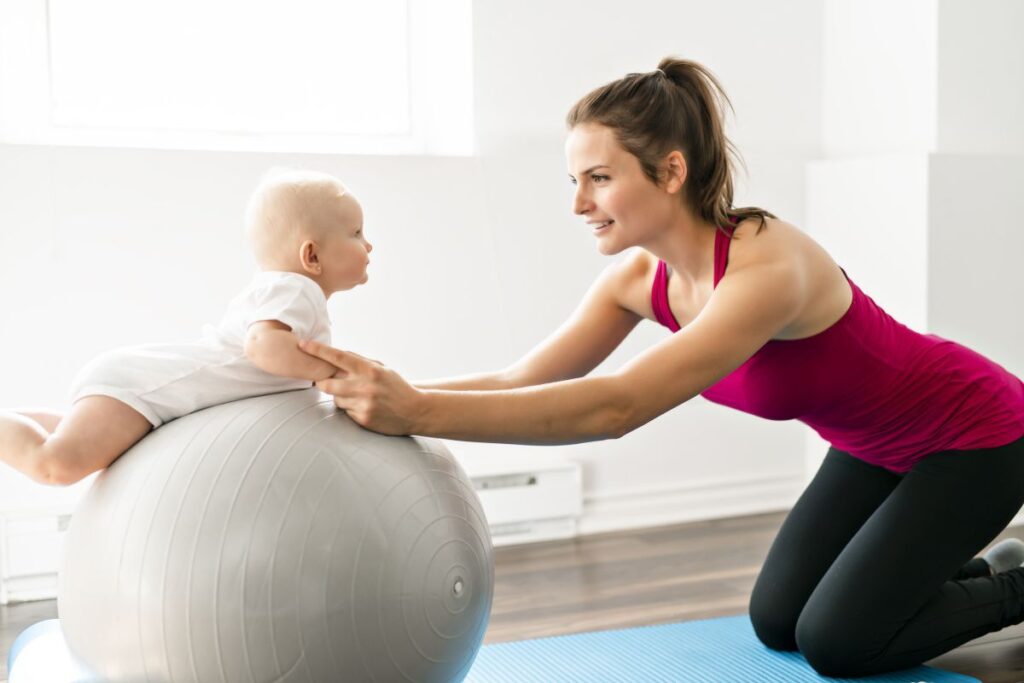
Understanding Postnatal Physiotherapy
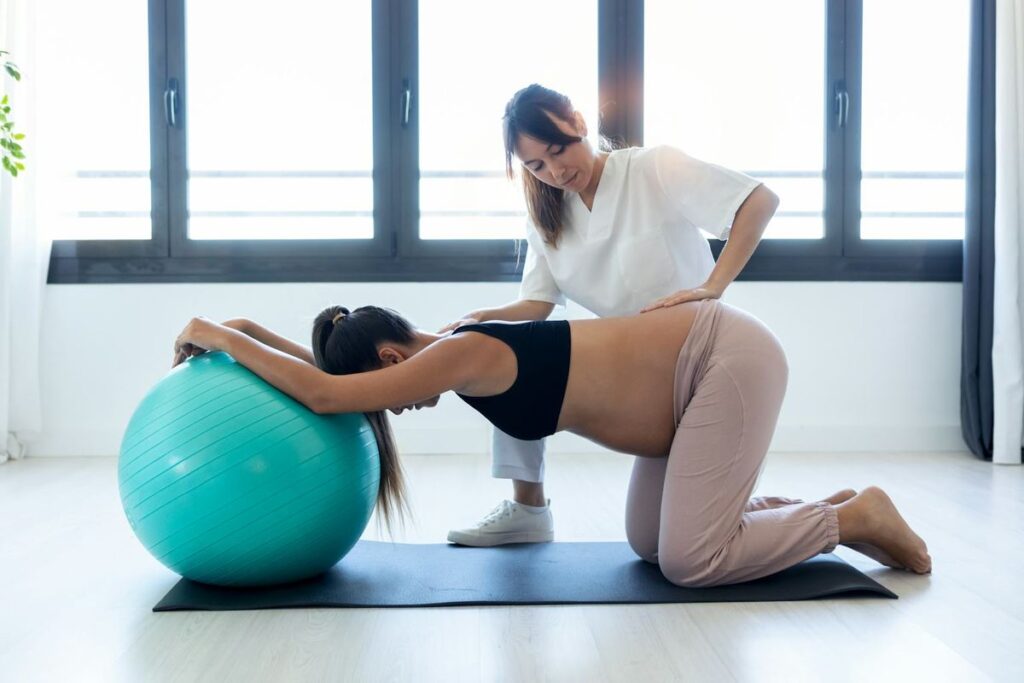
Postnatal physiotherapy assists the female body to regain its strength after childbirth by prescribing exercises that target the pelvic floor and the abdominal area. It also helps in treating the most common problems that come along with pregnancy, like back pain, urinary incontinence, and the separation of abdominal muscles. Furthermore, it is a personalized exercise plan, teaching correct posture and body movement during daily activities such as lifting and breastfeeding, as well as hands-on treatment to facilitate movement and alleviate pain.
Some key benefits of postnatal physiotherapy include:
- bolstering the weak pelvic and abdominal muscles
- minimizing postural problems and lower back pain
- Increasing flexibility and mobility
- Preventing chronic problems such as diastasis recti or incontinence
At Phoenix Physiotherapy Wendover and Aylesbury, expert physiotherapists provide personalized sessions based on your delivery type, fitness level, and medical history.
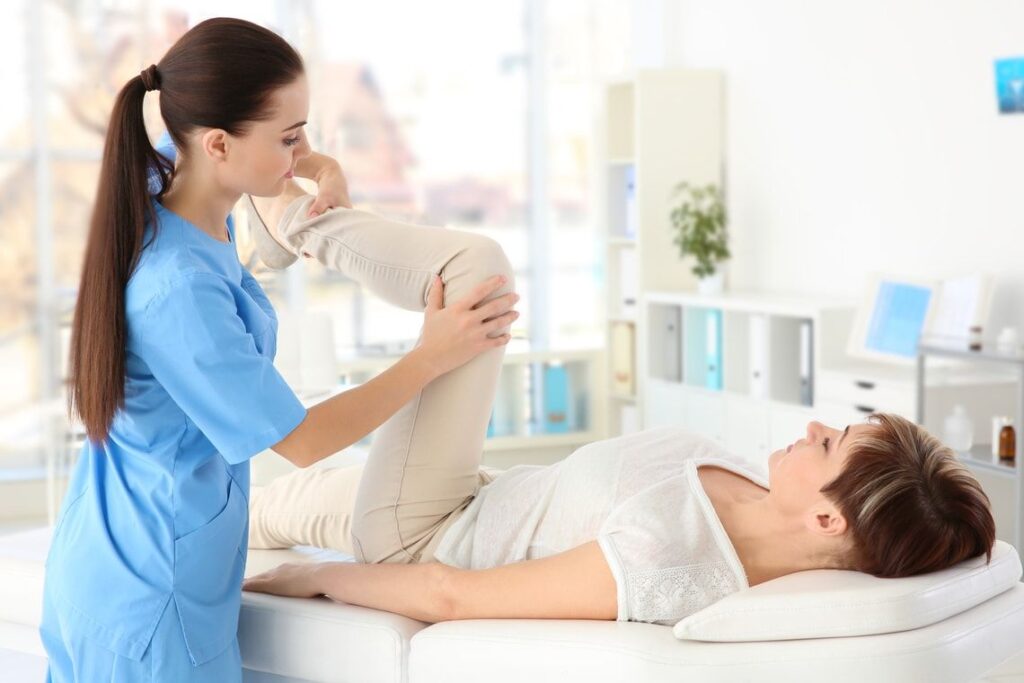
When to Start Exercising After Childbirth
A common question new mothers ask is, “When can I start exercising again?”
You can start light exercise like walking a few days after an uncomplicated vaginal delivery, once you feel ready. For a C-section or complicated birth, wait until your doctor says it’s safe, which is often around 6 to 8 weeks. Always consult your doctor before beginning any exercise program, as the exact timing depends on your individual recovery
Signs your body is ready:
- Minimal bleeding and pain
- Stable energy levels
- Healed C-section incision or perineal tear
- Medical approval from your obstetrician
Remember, postnatal exercise isn’t about speed — it’s about safety. Always listen to your body and start slow.
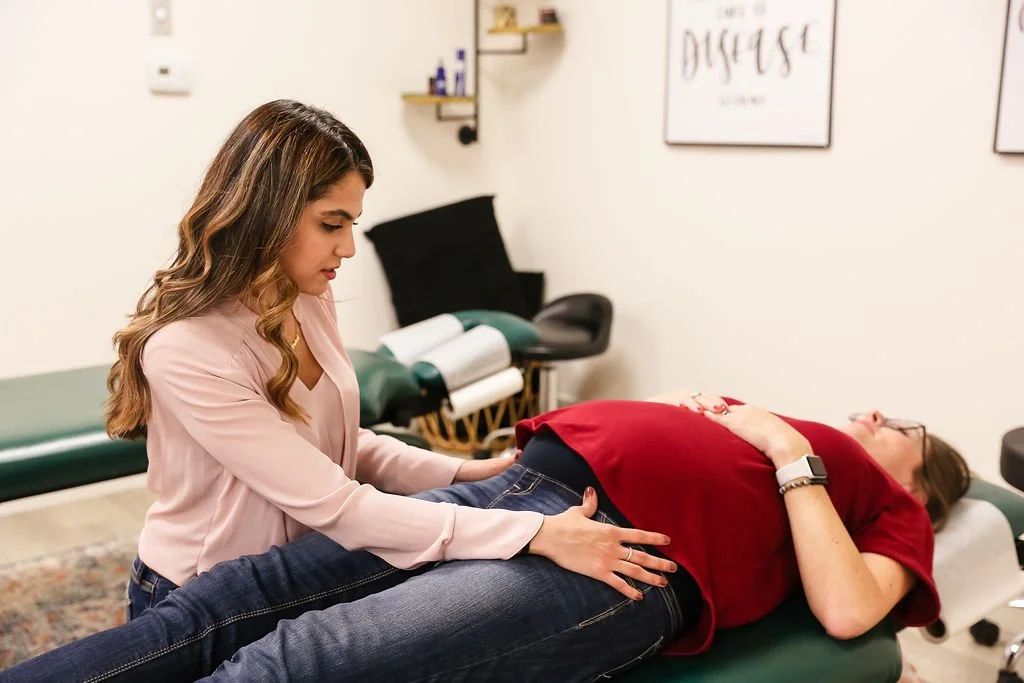
Core & Pelvic Floor Recovery: The Foundation of Postnatal Fitness
Here it is, broken cleanly into 7 clear, human-sounding paragraphs, tightened for readability and SEO, while keeping the meaning intact and natural.
Going back to the normal function of the core and pelvic floor muscles after birth is the first and most important stage of postnatal fitness. This phase focuses on gentle, controlled, and gradually progressive exercises that help the body heal and rebuild strength after pregnancy and delivery.
The goal at this stage is not intensity but recovery. Your body has gone through major physical changes, and rushing back into workouts can increase the risk of pain or long-term issues. A slow and structured approach allows tissues to heal properly and sets the foundation for safe movement.
Basic postnatal exercises usually start with diaphragmatic breathing. This type of breathing helps reconnect the core muscles, supports the pelvic floor, and improves overall stability. It also plays a key role in reducing tension and improving posture.
Pelvic floor contractions, commonly known as Kegels, are another essential part of early postnatal recovery. When done correctly, they help restore strength, control, and support to the pelvic floor, reducing the risk of issues such as incontinence or pelvic heaviness.
Gentle, modified movements like bridges and side planks can be added gradually. These exercises activate the deep core muscles without placing excessive strain on the body. They help rebuild functional strength needed for everyday activities like lifting, bending, and carrying your baby.
Consistency is more important than doing a large number of exercises. Short, regular sessions allow the body to adapt safely and reduce the chances of overloading healing muscles. Listening to your body and progressing slowly is key during this phase.
Getting professional guidance can make a big difference in postnatal recovery. A postnatal physiotherapist or women’s health specialist can ensure exercises are done correctly and tailored to individual needs. With patience, consistency, and the right support, new mothers can safely regain strength, improve core stability, and return to daily life and exercise with confidence.
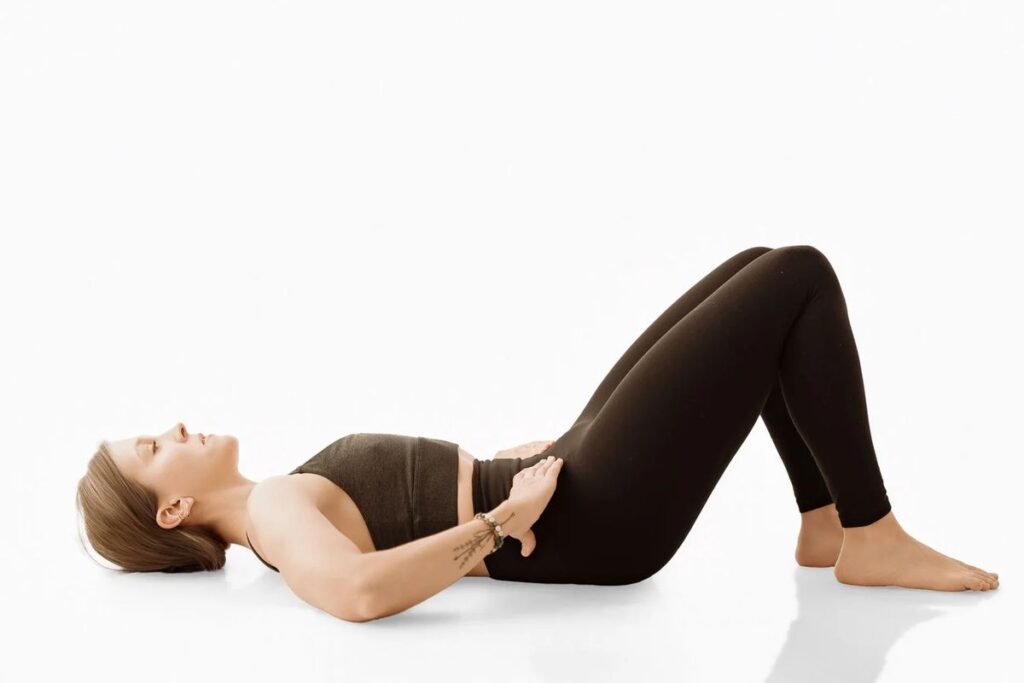
2026 Guidelines for Safe Postnatal Exercise
The worldwide suggestions for exercises for a woman after labor in 2026 still stress the necessity of a slow, personal approach that depends on the symptoms, giving the first place to healing and pelvic floor exercises before a comeback to high-impact activities. Various new guidelines, e.g., those of the Canadian Society for Exercise Physiology (CSEP) in the beginning of 2025, are of the opinion that 120 minutes of moderate-to-vigorous physical activity per week is the minimum acceptable.
In 2026, health experts emphasize a progressive approach to postpartum fitness. Here’s what the updated recommendations suggest:
Weeks 1–6:
- Mobility exercises and gentle breathing
- Activations of the pelvic floor
- Short strolls
Weeks 6–12:
- Core rehabilitation
- Glute strengthening
- Light resistance training
3–6 Months:
- Low-impact aerobics (yoga, cycling, swimming)
- Posture correction
- Training in balance and coordination
6+ Months:
- Gradual return to pre-pregnancy workouts
- Exercises for functional strength
These postnatal exercise guidelines ensure mothers build a solid foundation before progressing to advanced workouts.
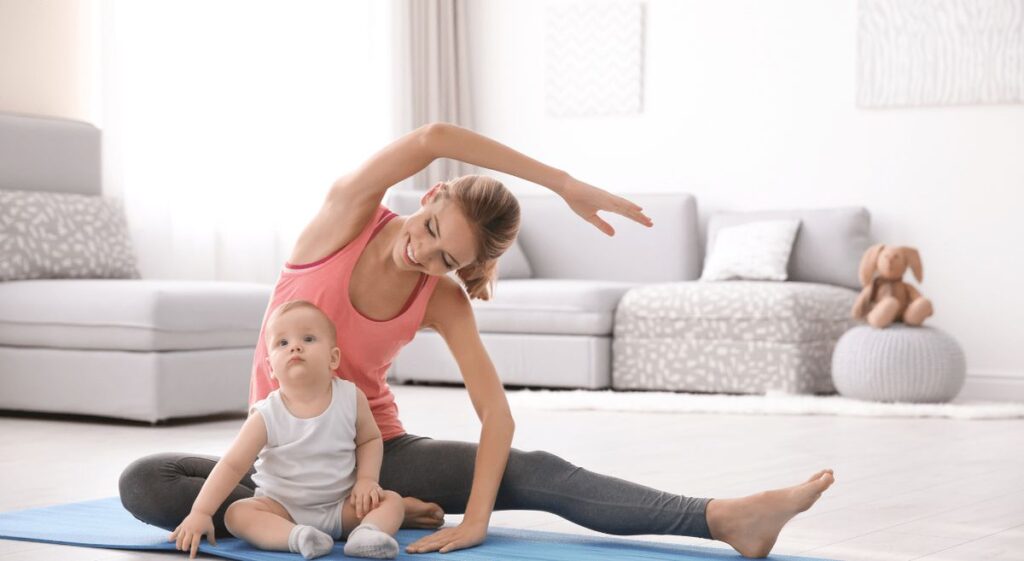
Common Postnatal Conditions & How Physiotherapy Helps
Common postnatal issues are pelvic floor pain, diastasis recti, and back and neck pain, which can be relieved by physiotherapy through specific exercises, manual therapy, and education on posture and safe movement. In addition, physiotherapy is beneficial for the treatment of other problems such as urinary incontinence, C-section recovery, and scar tissue management.
Postnatal physiotherapy addresses many issues women face after childbirth:
- Diastasis Recti: A separation of the abdominal muscles. Physiotherapy techniques focus on deep core engagement to heal this safely.
- Pelvic Pain or Instability: Targeted strengthening exercises improve joint stability and posture.
- Lower Back Pain: Manual therapy and mobility exercises relieve tension and promote alignment.
- Incontinence: Pelvic floor training improves bladder control.
If you’re experiencing any of these symptoms, postnatal physiotherapy in Aylesbury or Wendover can help you heal properly and prevent long-term complications.
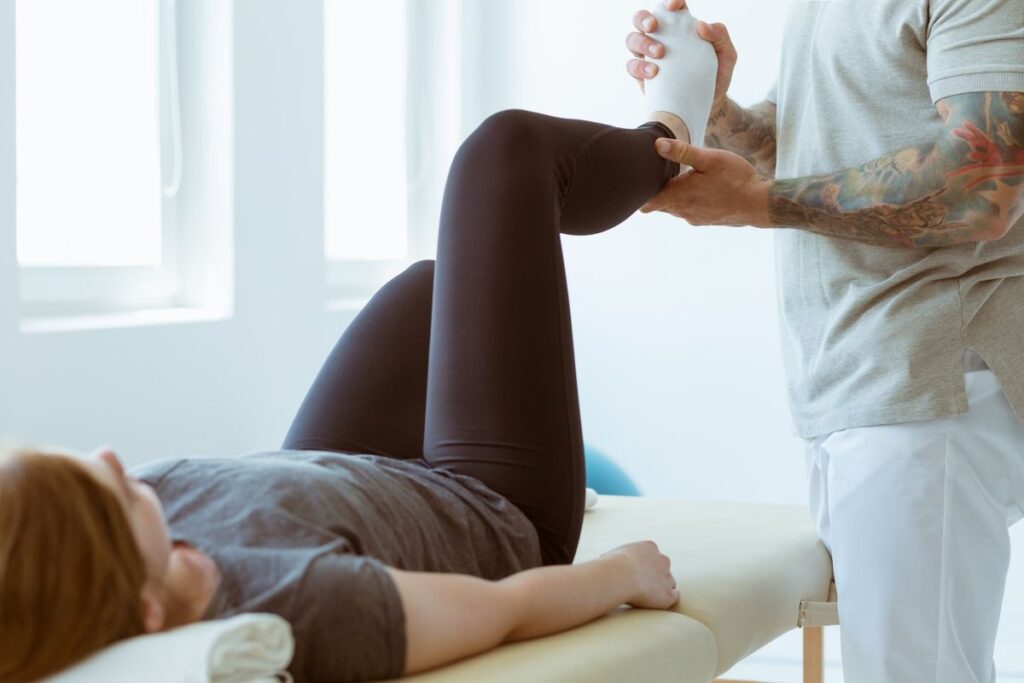
Role of Physiotherapy Clinics in Wendover & Aylesbury
Phoenix Physiotherapy is known as a top company that delivers women’s health and postnatal physiotherapy services in Wendover and Aylesbury. It is a physiotherapy that mothers can entrust as it offers a professional, empathetic and a personalized approach to care. Our facilities provide postpartum rehabilitation that is safe and based on the latest research, which is aimed at assisting the body’s healing process after a natural course of birth. We make it possible for new mothers to regain core strength, elevate pelvic floor function, fix posture, and get rid of the postnatal challenges that are familiar like low back pain, pelvic pain, hip tightness, and muscle weakness.
We focus on:
- Thorough physical assessments
- Tailored exercise programs
- One-on-one guidance and support
- Education on safe movement patterns
Women choose Phoenix Physiotherapy because we create a safe, supportive space to rebuild strength and confidence after childbirth.
Personalized Recovery Plans for Every Mother
Each woman’s path is different. Some might require light mobility exercises, whereas others could be helped by the therapist’s manual work or Pilates-based rehabilitation.
Creating a tailored postnatal recovery plan for each mother necessitates the consideration of a multitude of deeply related factors, such as physical recuperation after giving birth, mental and emotional well-being, dietary requirements, and the distinct difficulties of her living environment. These plans must be adaptable, drafted in consultation with a healthcare professional, and supported by the care of family, friends, and professionals.
Our physiotherapists in Aylesbury and Wendover come up with personalized recovery programs for you based on the birth experience, muscle strength, and lifestyle. Additionally, we keep a close watch on your progress regularly, making changes to the plan as your body heals and gets stronger.
Such a tailored method is your guarantee to recovery that is both safe and effective—without the risk of excessive strain on your body.
Expert Tips for Postnatal Exercise Safety in 2026
Specialists recommend that after giving birth most exercises should be done in a safe manner and the above advice will still be valid in 2026: continue to pay attention to what your body tells you, concentrate on the recovery of your abdominal and pelvic floor muscles and slowly move on to high-impact activities. For a unique treatment plan, see a doctor or a pelvic health physiotherapist, particularly if you experienced complications during delivery.
Here are a few physiotherapist-approved tips for new mothers returning to exercise in 2026:
Start slow: Begin with gentle stretches and deep core activation.
Stay hydrated and well-nourished.
Avoid high-impact workouts like running or heavy lifting initially.
Focus on good posture—especially while feeding or lifting your baby.
Rest is part of recovery—don’t rush your progress.
Regular visits to your local postnatal physiotherapist ensure your recovery remains safe, steady, and supported by experts.
Conclusion: Stronger, Healthier, and Confident After Childbirth
Postnatal physiotherapy is really one of the best methods to regain your power, equilibrium, and self-assurance after giving birth. Under the supervision of a professional, by doing research-based exercises and getting personalized treatment, mothers can return to their fitness levels safely, and at the same time, they can prevent the occurrence of any kind of problems in the future.
Postpartum road is a radical change to the new moms but at the same time, it is quite challenging physically and emotionally as their bodies are healing and getting used to the new situation. An empowering recovery can equip new mothers with more physical strength, improved health, and better self-confidence as they get used to their new role.
If you are around Wendover or Aylesbury, going with Phoenix Physiotherapy will be the best decision to take you on the path of a fit and healthy postpartum body. Our team is the perfect solution for every mother’s needs—with empathy, proficiency, and an easy-to-understand recovery plan.
Why Choose Phoenix Physio for Postnatal Recovery
At Phoenix Physio, we understand that every postpartum journey is unique. We don’t just give generic workouts. We build personalised recovery plans that are safe, effective, and aligned with your body’s progress.
You’ll benefit from hands-on expertise in women’s health and postnatal physiotherapy. Our team knows how pregnancy and childbirth affect the pelvis, core, posture, and movement patterns. We assess how your body is functioning now, then design exercises that help you rebuild strength without pain or setbacks.
We focus on real-world results. Instead of pushing high-impact workouts too soon, we teach you how to reconnect with your deep core and pelvic floor first. This reduces the risk of long-term issues like back pain, pelvic instability, or incontinence, so you can return to daily life with confidence.
Support doesn’t stop in the clinic. We give clear guidance you can follow at home, and we guide your progress every step of the way. Whether you’re just starting gentle movement or transitioning to more dynamic exercise, we help you do it right.
Choosing Phoenix Physio means choosing personalised care, evidence-based programming, and a recovery experience that prioritises your comfort and long-term wellbeing.

Frequently Asked Questions
What is postnatal physiotherapy and why is it important after childbirth?
Postnatal physiotherapy focuses on helping your body recover after childbirth. It targets pelvic floor and core muscles, improves posture and movement, and helps manage common issues like low back pain, diastasis recti, incontinence and pelvic pain. It’s a personalised fitness and rehabilitation plan designed to support safe and effective recovery.
When can I start exercising after giving birth?
You can begin gentle activity such as walking a few days after an uncomplicated vaginal birth once you feel ready. After a C-section or complicated delivery, most women wait until around 6–8 weeks or until cleared by their doctor. Always check with your healthcare provider first.
What should I focus on in the first weeks of my postnatal fitness journey?
In the first 1–6 weeks focus on gentle mobility, pelvic floor activations, light breathing exercises and short walks. This stage builds a safe foundation before progressing to core strengthening and resistance work.
How does postnatal physiotherapy help with diastasis recti and pelvic floor issues?
A specialised physiotherapist can assess your abdominal separation and pelvic floor function, then prescribe breathing-based core activations, pelvic floor contractions, and tailored strength exercises to support healing and reduce long-term problems safely.
Can I return to higher-impact exercise like running or strength training?
Yes, but not right away. Most guidelines recommend a progressive return. After 3–6 months you can start low-impact activities like cycling or swimming, and only return to higher-impact workouts or heavy strength training once your body has regained strength and you’ve had professional clearance.
Do I need a physiotherapist or can I exercise on my own?
You can do basic exercises like walking and gentle stretches at home, but working with a postnatal physiotherapist ensures the exercise plan is safe, personalised and progressive. This is especially important if you had complications during birth or ongoing symptoms like pain or incontinence.
What are the signs I should slow down or stop exercising?
Stop if you experience increased pain (especially in your pelvis or abdomen), significant bleeding, heaviness or dragging sensations, urinary leakage during exercise, or any other unusual symptoms. If these occur, talk to your physiotherapist or healthcare provider.
Is post natal care in the UK enough?
Women in the UK are being failed by a postnatal care system that is “dangerously underfunded and understaffed”, a damning report has warned. Thousands of new mothers feel unsafe, unsupported and overwhelmed in the weeks and months after giving birth, according to the National Childbirth Trust (NCT).