Introduction
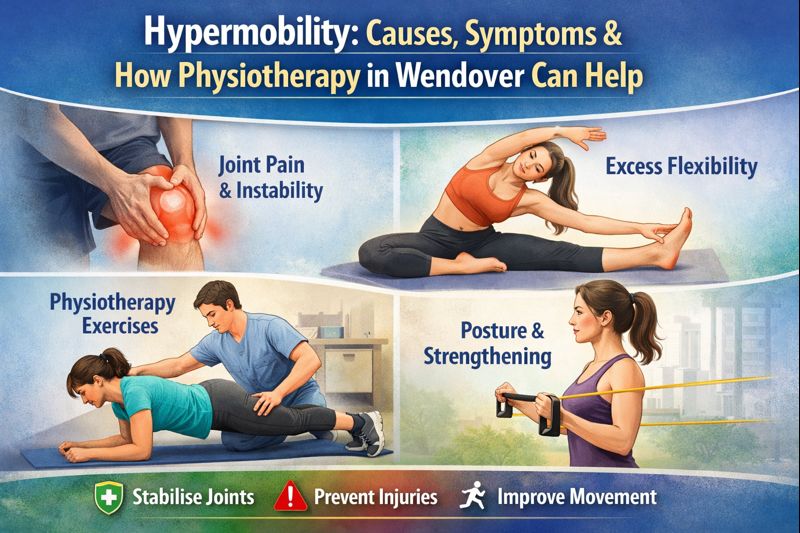
Hypermobility is more common than many people realise. Some people simply call it being “double-jointed,” but for many, it can lead to pain, fatigue, instability, and recurring injuries. At Phoenix Physiotherapy Wendover, we regularly support patients living with hypermobility by helping them strengthen their bodies, reduce pain, and prevent long-term joint problems. Our team of experts work on regaining control,increasing muscle power, avoiding injury, and enabling you to move with confidence and without pain . If you or your child experiences frequent aches, clicking joints, or feels unusually flexible, or lack of stability, this blog will help you understand what’s happening and how physiotherapy can help.
What Is Hypermobility?
Hypermobility refers to joints that move beyond the normal range. It happens when the connective tissues—especially ligaments—are more flexible or stretchy than usual. Being hypermobile is not always a problem. Many dancers and gymnasts have naturally flexible joints, and it can even feel like an advantage. But for others, hypermobility leads to:
- Joint pain
- Muscle fatigue
- Poor balance
- Frequent sprains or strains
- Feeling unstable or “wobbly”
- Difficulty standing or sitting for long periods
If hypermobility affects daily life, it’s known as symptomatic hypermobility.
Common Signs & Symptoms of Hypermobility
People with hypermobility may experience:
- Aches or sharp pains in joints such as knees, elbows, ankles, and fingers
- Muscle tightness (especially in the neck, shoulders, and lower back)
- Recurrent injuries, including sprains and pulled muscles
- Poor posture due to weak stabilising muscles
- Clicking or popping joints
- Fatigue after normal activities
- Difficulty with balance or coordination
Children with hypermobility may appear clumsy or tire more quickly than others. If these symptoms sound familiar, physiotherapy can make a major difference.
What Factors Lead to Hypermobility?

Hypermobility may be:
1. Affected by genes / passed down by family – There are individuals who have naturally softer inborn connective tissue.
2. Due to weak stabilising muscles – When muscles can’t support the joints well, the joints move too far.
3. Dependent on posture and movement habits – Going with the flow of knees “locking back”, slouching, or dropping into joints can aggravate symptoms.
4. Seen in children more often – Ligaments are naturally more flexible during childhood.
The good news? With the right strengthening and control exercises, hypermobility can be well-managed.
How Physiotherapy Helps Manage Hypermobility?
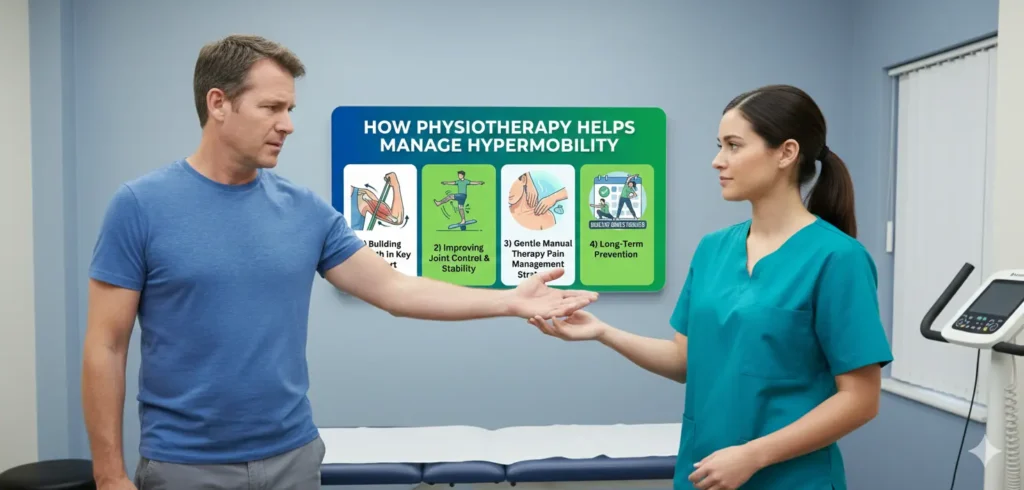
We at Phoenix Physiotherapy Wendover use a gentle, organized, and progressive method to provide relief to the patients through joint stabilization and reduction of pain. Physiotherapy can help in the following ways:
1. Building Strength in Key Support Muscles

Muscle weakness is the major problem that accompanies hypermobility. Physiotherapists concentrate on muscle strengthening:
- Core muscles
- Hip stabilisers
- Shoulder and scapular muscles
- Deep neck flexors
- Foot and ankle stabilisers
Muscles that are stronger = joints that are more stable = lesser pain.
2. Improving Joint Control & Stability
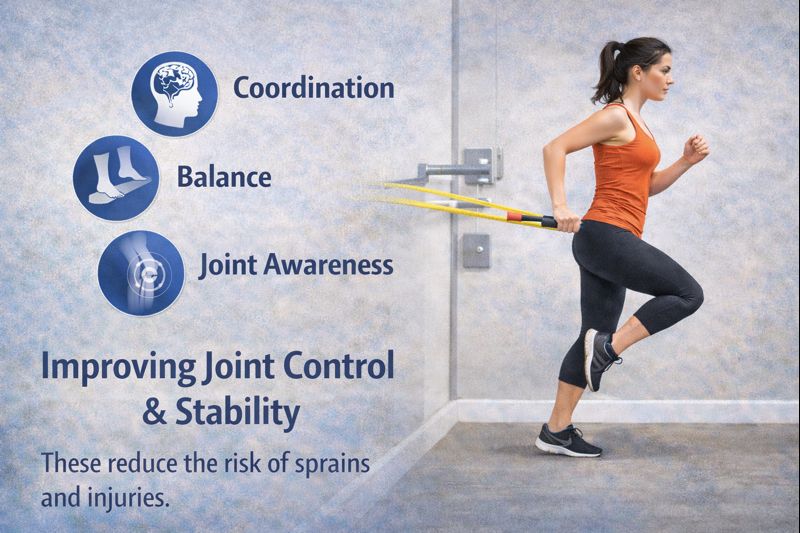
Hypermobility isn’t just about flexibility—it’s about control. Your physiotherapist will teach exercises that improve:
- Coordination
- Balance
- Joint awareness (proprioception)
- Safe movement patterns
These reduce the risk of sprains and injuries.
3. Posture Correction

If several individuals have hypermobile joints, they will most likely have different compensations, examples of which are:
Excessively extending the lumbar spine area
Going over the limit of the elbow or knee joint
While breathing heavily slouching
A physiotherapist teaches you less harmful postures that will not put so much.
4. Gentle Manual Therapy

Initially, hand-on therapy that is outside the main treatment may have a positive influence on the relief of:
- Muscle tightness
- Trigger points
- Tension headaches
- Discomfort in the lower back area
Such a condition of the body will make it possible to move more freely
5. Pain Management Strategies
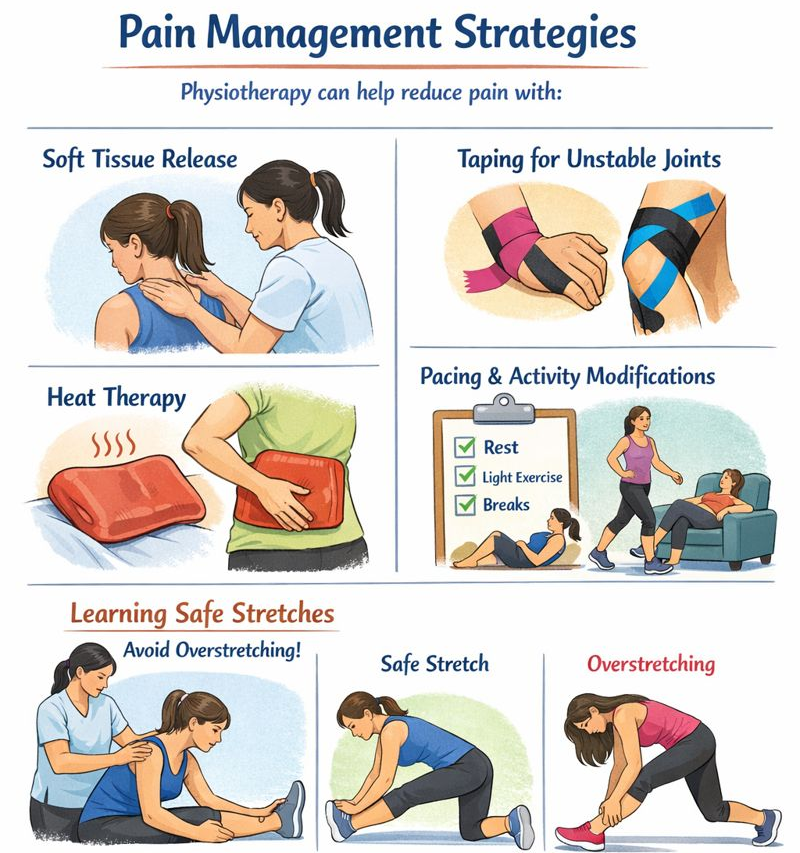
Physiotherapy can help reduce pain with:
- Soft tissue release
- Taping to support unstable joints
- Heat therapy
- Advice on pacing and activity modifications
You’ll also learn safe stretches because many hypermobile people overstretch without realising it.
6. Long-Term Prevention
The aim is not just short-term relief it’s building lifelong strength and confidence. Your physio will support you with:
- A personalised exercise programme
- Tips for sitting, standing, and working without pain
- Movement retraining
- Gradual return to sports or fitness activities
With consistency, many patients experience fewer flare-ups and better overall stability.
When to See a Physiotherapist
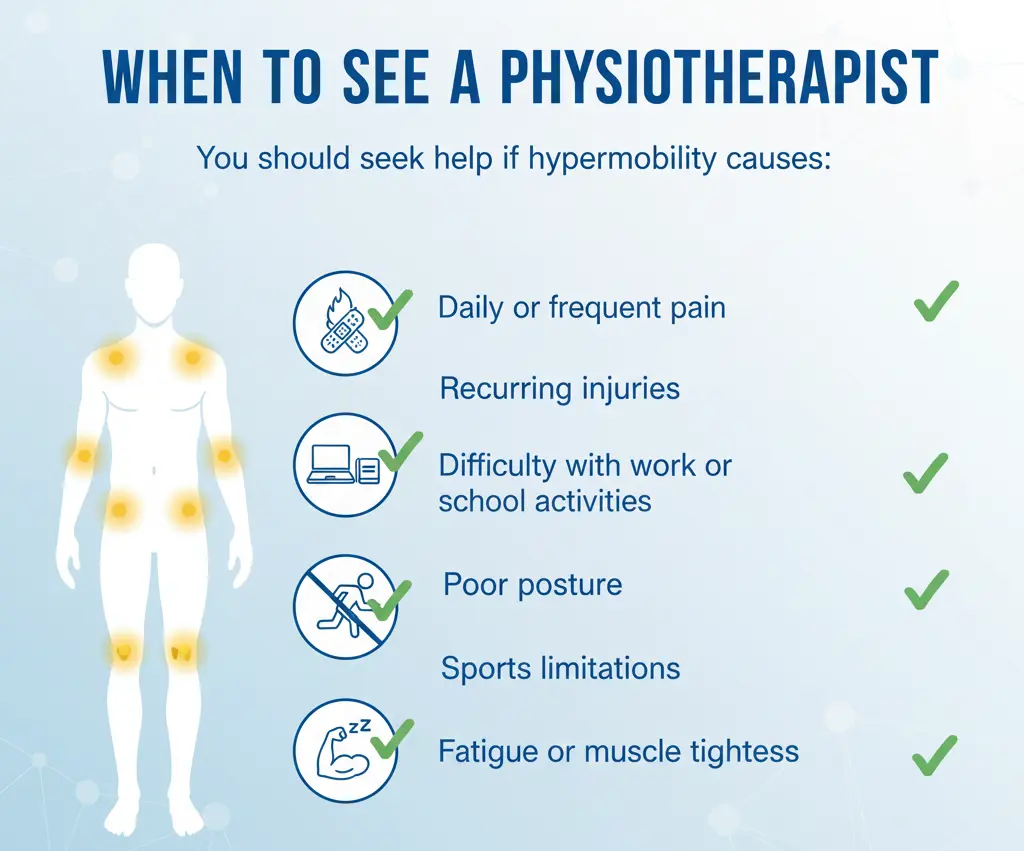
You should seek help if hypermobility causes:
- Daily or frequent pain
- Recurring injuries
- Difficulty with work or school activities
- Poor posture
- Sports limitations
- Fatigue or muscle tightness
Getting early help can make a big difference. With the right physiotherapy, you can prevent the compensations that lead to ongoing joint strain, reduced stability, and increasing pain.
Why Choose Phoenix Physio for Hypermobility Physiotherapy in Wendover?
Choosing the right physiotherapy clinic matters, especially for hypermobility, where symptoms can be complex, fluctuating, and often misunderstood. At Phoenix Physio in Wendover, hypermobility physiotherapy is delivered with a clear focus on movement control, joint stability, and long-term symptom management rather than short-term pain relief alone.
Treatment is led by experienced physiotherapists who understand how hypermobility affects joints, muscles, fatigue levels, and daily function. Each program is carefully tailored, recognizing that hypermobility can impact work, exercise, and confidence in movement differently for every person. Rehabilitation focuses on controlled strengthening, pacing strategies, and safe movement patterns to reduce flare-ups and improve stability without overloading vulnerable joints.
Patients are supported with education and practical guidance so they understand their condition, learn how to manage symptoms independently, and stay active with confidence. This structured, evidence-based approach helps build resilience, improve joint control, and support long-term functional improvement rather than repeated cycles of injury or discomfort.
Book an appointment at Phoenix Physio in Wendover today to start a personalized hypermobility physiotherapy plan designed for stability, strength, and lasting results.
Conclusion
With appropriate assistance, the condition of hypermobility is something that can be handled. A physiotherapist will guide you through exercises that will make your body stronger, will help you stabilise your joints, alleviate pain, and will even increase your general well-being. Personalised treatment allows you to regain a sense of control over your daily movements. At Phoenix Physiotherapy Wendover, we offer personalised treatment plans for hypermobile adults, adolescents, and kids.
If you are experiencing old recurring pains, tiredness, or lack of stability, we are committed to leading you to a lifestyle that is stronger, better supported, and more physically active.
Book your assessment at Phoenix Physiotherapy Wendover and start your journey to stability, confidence, and pain-free movement.
Frequently Asked Questions
What is the best treatment for hypermobility?
There’s no cure for joint hypermobility syndrome. The main treatment is improving muscle strength and fitness so your joints are better protected. A GP may refer you to a physiotherapist, occupational therapist or podiatrist for specialist advice.
What exercises should hypermobile avoid?
People with hypermobility should avoid uncontrolled end-range movements, aggressive stretching, and high-impact exercise without proper preparation. These can increase instability. While there are no “banned activities”, I don’t recommend anything that increases or brings on new pain.
What vitamin deficiency causes hypermobility?
Vitamin B9 (folate) deficiency is the vitamin most commonly linked to joint hypermobility. Low folate, especially in people with MTHFR gene variants, can affect collagen production and connective tissue strength, contributing to joint laxity and instability.
How long does physiotherapy take to work for hypermobility?
Pain reduction and improved joint control are often noticed within 4–6 weeks as muscles begin to support the joints more effectively. The biggest changes happen when the exercises are done regularly and increased at the right pace. Over time, this steady approach helps movements feel more natural and keeps symptoms from flaring up again.
What foods are bad for hypermobility?
Digestive discomfort, food sensitivities, or conditions like gastroparesis may lead individuals to avoid protein-rich foods like meats or legumes. Additionally, chronic fatigue and joint pain can make meal preparation exhausting, leading to reliance on convenience foods that are often low in protein.
Is physiotherapy painful for hypermobile patients?
No. Physiotherapy for hypermobility is carefully progressed and adjusted to your comfort level. Exercises are introduced gradually, with close attention to joint control and fatigue, to avoid overload or flare-ups.