
Introduction
Whiplash is one of the most common injuries after road traffic accidents in the UK, yet it is frequently underestimated. Even low-speed collisions can cause significant strain to the neck and upper spine, leading to pain, stiffness, headaches, dizziness, and long-term movement problems.
Many people feel “fine” immediately after an accident, only to develop symptoms hours or days later. Without the right treatment, whiplash can become persistent and difficult to manage. This page explains what whiplash is, how to recognize symptoms, how long recovery takes, and why physiotherapy is the most effective treatment for whiplash in Aylesbury.
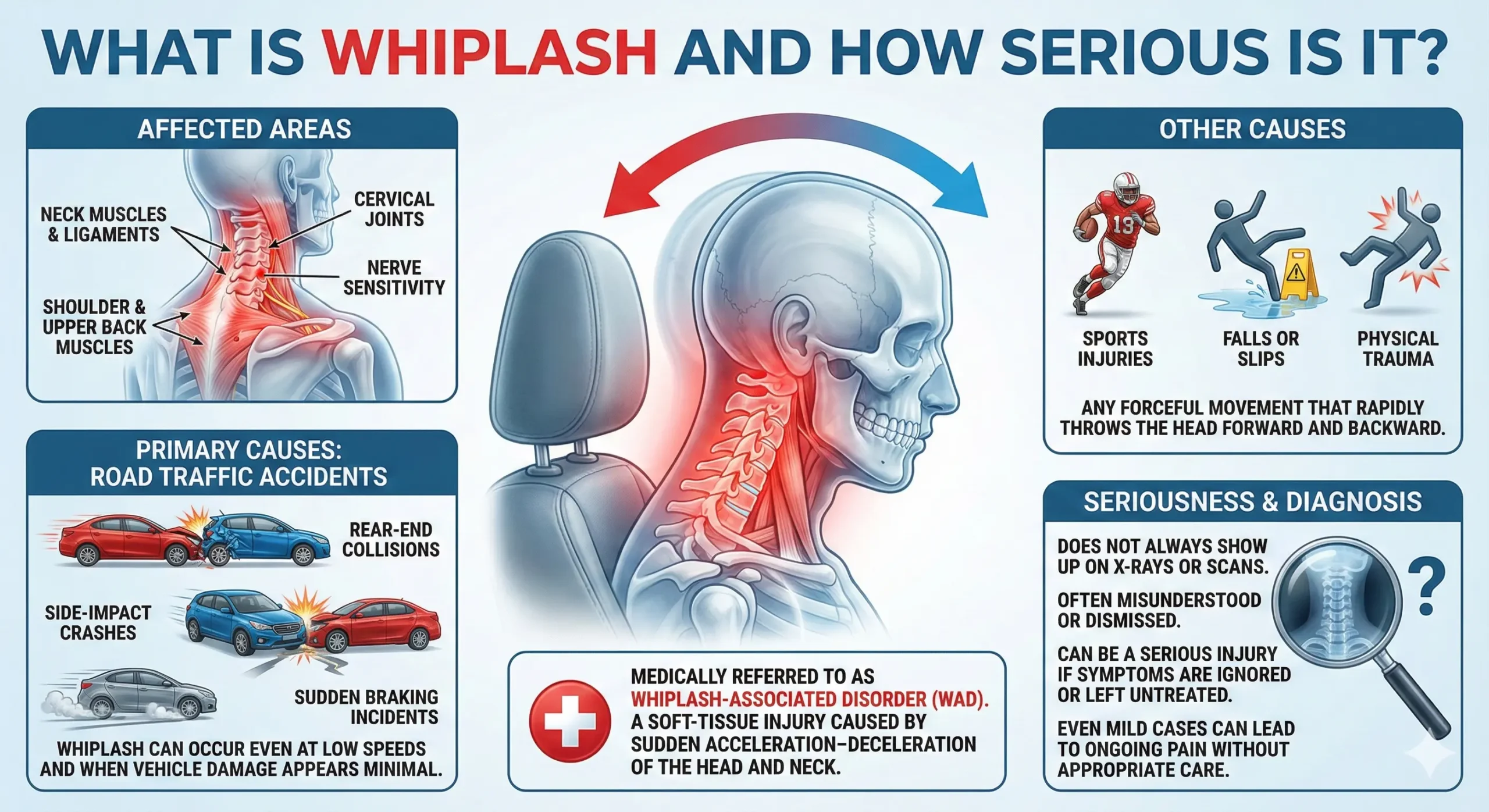
What Is Whiplash and How Serious Is It?
Whiplash is a soft-tissue injury caused by a sudden acceleration–deceleration of the head and neck. This rapid motion forces the neck beyond its normal range, placing stress on muscles, ligaments, joints, and nerves in the cervical spine.
Medically, whiplash is referred to as Whiplash-Associated Disorder (WAD). It does not always show up on X-rays or scans, which is why it is often misunderstood or dismissed. Despite this, whiplash can be a serious injury, particularly if symptoms are ignored or left untreated.
Whiplash can affect:
Neck muscles and ligaments
Cervical joints
Nerve sensitivity
Shoulder and upper back muscles
The severity of such trauma varies, but even mild cases can lead to ongoing pain without appropriate care.
Road Traffic Accidents
The most common cause of whiplash is a car accident, especially:
Rear-end collisions
Side-impact crashes
Sudden braking incidents
Importantly, whiplash can occur even at low speeds and when vehicle damage appears minimal.
Other Causes
Whiplash can also result from:
Sports injuries
Falls or slips
Sudden jolts or impacts
Physical trauma
Any forceful movement that rapidly throws the head forward and backward can cause whiplash.
Understanding how it occurs is clinically important, as the mechanism of injury often influences symptom presentation, recovery time, and treatment planning. In UK practice, clinicians assess not only the type of incident—such as a road traffic accident—but also the direction of force, speed of movement, and presence of sudden deceleration or rotation. Whiplash injuries are not limited to high-impact crashes; everyday incidents can generate sufficient cervical stress to cause injury. The table below outlines the most common causes of whiplash, the underlying injury mechanisms, and their clinical relevance in UK assessment and reporting.
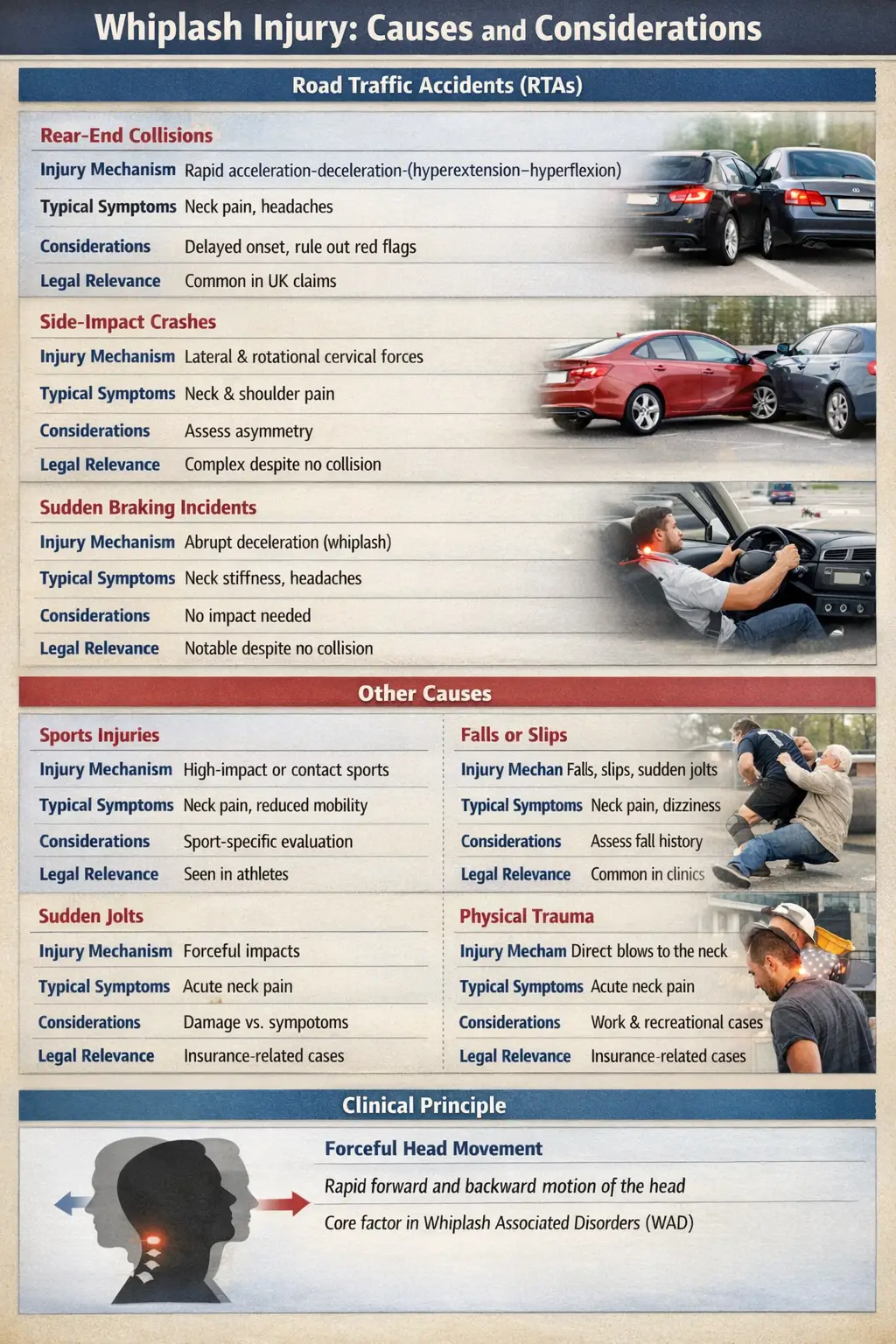
| Cause Category | Specific Cause | Injury Mechanism (Clinical) | Typical Symptoms | Diagnostic Considerations (UK) | Clinical & Medico-Legal Relevance |
|---|---|---|---|---|---|
| Road Traffic Accidents (RTAs) | Rear-end collisions | Rapid acceleration–deceleration causing cervical hyperextension followed by hyperflexion | Neck pain, stiffness, headaches, upper back pain | Symptoms may be delayed; imaging is usually not required unless red flags are present | The most common cause of such trauma in UK RTAs is frequently cited in medico-legal claims |
| Side-impact crashes | Lateral and rotational cervical forces exceeding the normal range | Neck pain, shoulder pain, reduced movement | Assess for asymmetric pain and restricted rotation | Often associated with more complex musculoskeletal strain | |
| Sudden braking incidents | Abrupt deceleration producing whiplash-type cervical loading | Neck stiffness, muscle tightness, headaches | Consider the mechanism even without a collision | Recognised RTA-related cause despite the absence of impact | |
| Low-speed collisions | Rapid neck movement despite minimal vehicle damage | Pain, stiffness, delayed onset symptoms | Symptom severity does not correlate with vehicle damage | Clinically recognised; common in insurance-related cases | |
| Other Causes | Sports injuries | High-velocity or contact forces causing cervical acceleration | Neck pain, reduced mobility, headaches | Evaluate sport-specific mechanism and impact history | Common in contact and high-impact sports |
| Falls or slips | Sudden loss of balance causing uncontrolled head movement | Neck pain, dizziness, upper back discomfort | Assess fall height, direction, and protective responses | Frequently seen in primary care and physiotherapy | |
| Sudden jolts or impacts | External force displacing cervical spine beyond physiological limits | Acute neck pain, muscle spasm | Mechanism-based diagnosis critical | Includes workplace and recreational injuries | |
| Physical trauma | Direct or indirect trauma to cervical soft tissues | Pain, tenderness, restricted movement | Exclude fracture if high-energy trauma suspected | Encompasses non-RTA traumatic events | |
| Clinical Principle | Forceful head movement | Rapid forward-backward motion of head and neck | Variable depending on severity | Core diagnostic feature of WAD | Central mechanism underlying all whiplash injuries |
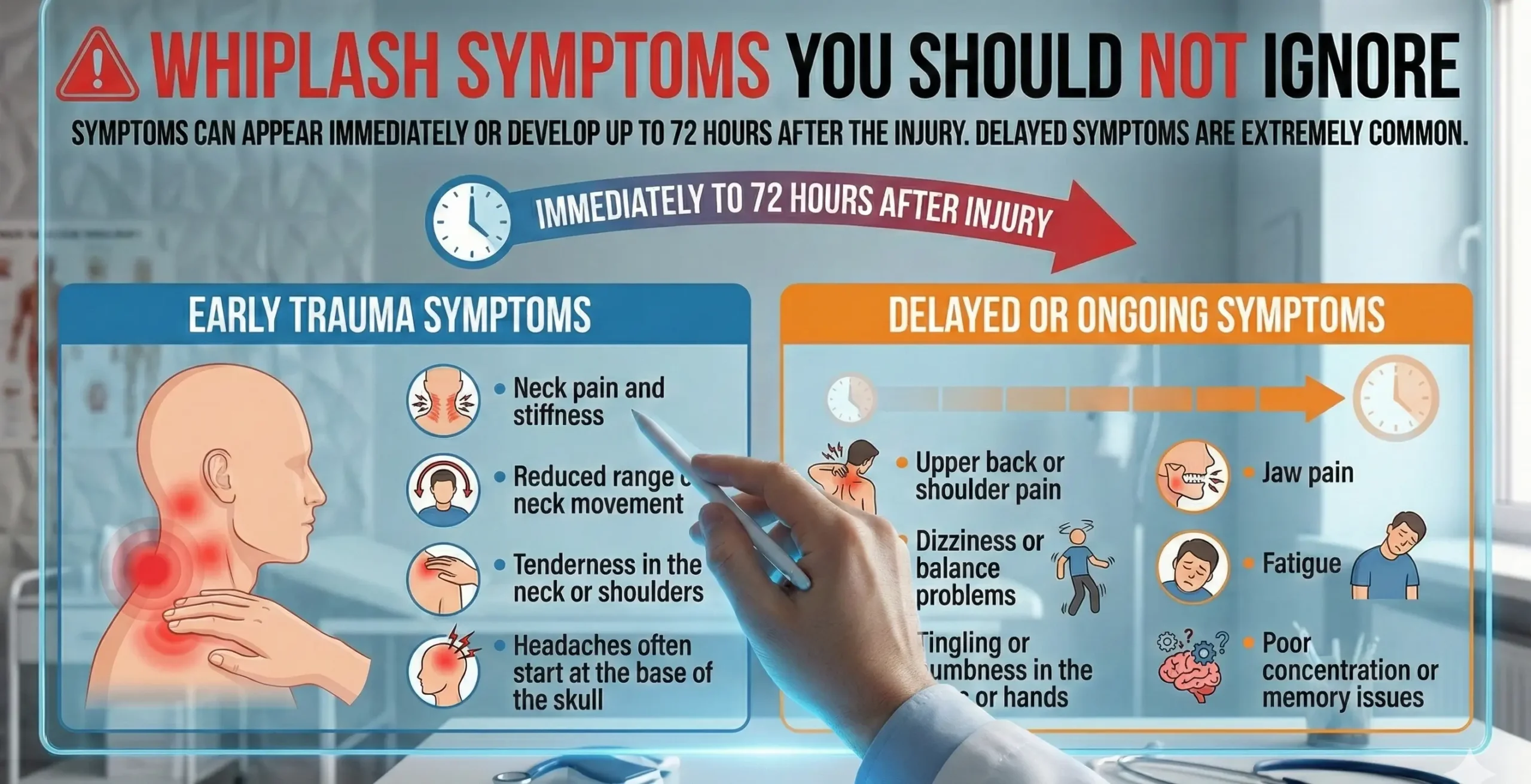
Whiplash Symptoms You Should Not Ignore
Symptoms can appear immediately or develop up to 72 hours after the injury. Delayed symptoms are extremely common.
Early Trauma Symptoms
Neck pain and stiffness
Reduced range of neck movement
Tenderness in the neck or shoulders
Headaches often start at the base of the skull
Delayed or Ongoing Symptoms
Upper back or shoulder pain
Dizziness or balance problems
Tingling or numbness in the arms or hands
Jaw pain
Fatigue
Poor concentration or memory issues
If symptoms worsen over time or interfere with daily activities, professional assessment is important.
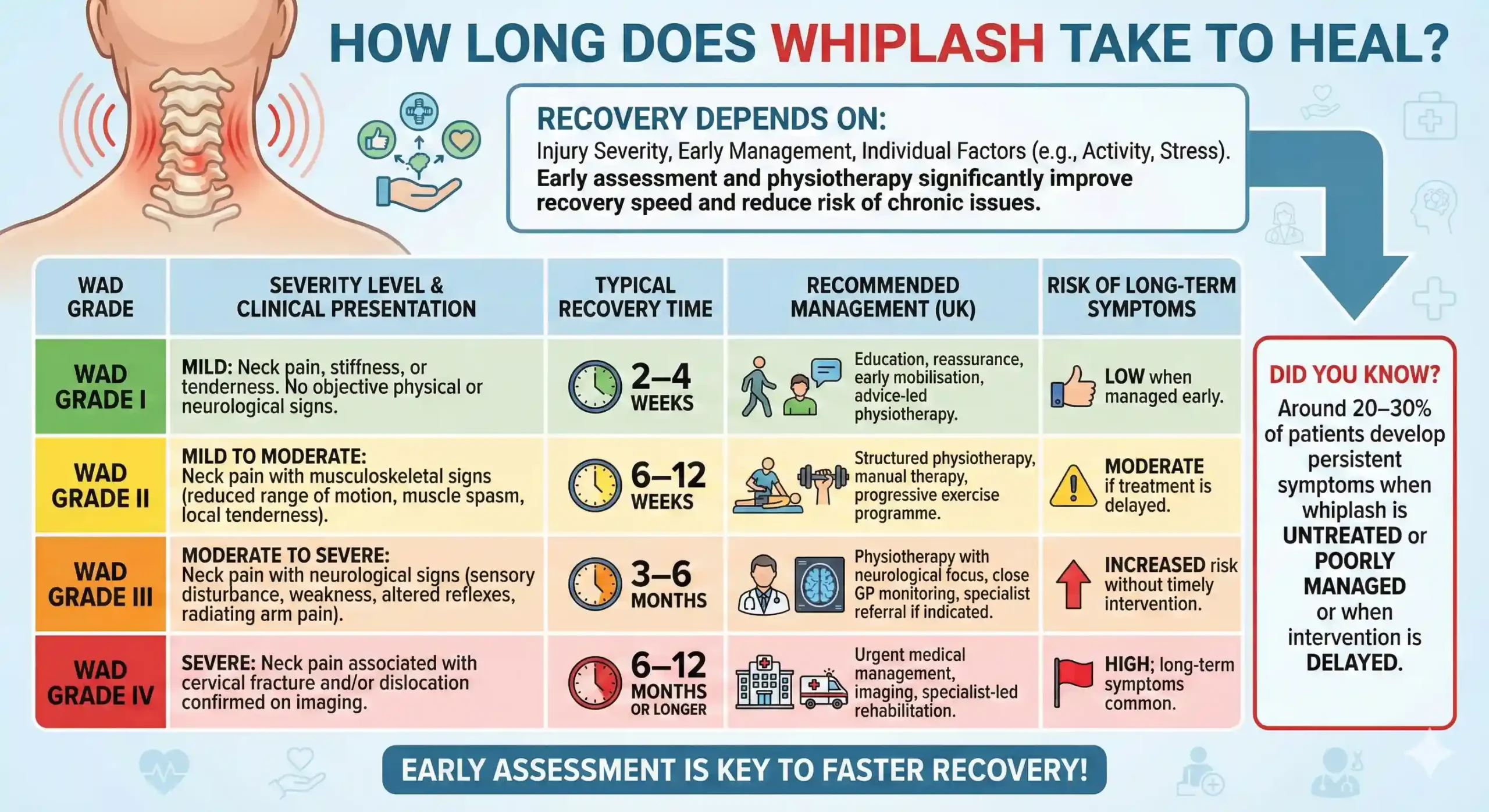
How Long Does Whiplash Take to Heal?
Whiplash recovery time depends on injury severity, early management, and individual factors such as activity level and stress.
In UK clinical practice, most such trauma injuries are classified as WAD Grades I–II and recover well with early physiotherapy and active rehabilitation. However, studies indicate that around 20–30% of patients develop persistent symptoms when whiplash is untreated or poorly managed or when intervention is delayed. Early assessment and physiotherapy significantly improve recovery speed and reduce the risk of chronic whiplash-associated disorder.
| WAD Grade | Severity Level | Clinical Presentation | Typical Recovery Time | Recommended Management (UK) | Risk of Long-Term Symptoms |
|---|---|---|---|---|---|
| WAD Grade I | Mild | Neck pain, stiffness, or tenderness with no objective physical or neurological signs | 2–4 weeks | Education, reassurance, early mobilisation, advice-led physiotherapy | Low when managed early |
| WAD Grade II | Mild to Moderate | Neck pain with musculoskeletal signs such as reduced range of motion, muscle spasm, or local tenderness | 6–12 weeks | Structured physiotherapy, manual therapy, progressive exercise programme | Moderate if treatment is delayed |
| WAD Grade III | Moderate to Severe | Neck pain with neurological signs including sensory disturbance, weakness, altered reflexes, or radiating arm pain | 3–6 months | Physiotherapy with neurological focus, close GP monitoring, specialist referral if indicated | Increased risk without timely intervention |
| WAD Grade IV | Severe | Neck pain associated with cervical fracture and/or dislocation confirmed on imaging | 6–12 months or longer | Urgent medical management, imaging, specialist-led rehabilitation | High; long-term symptoms common |
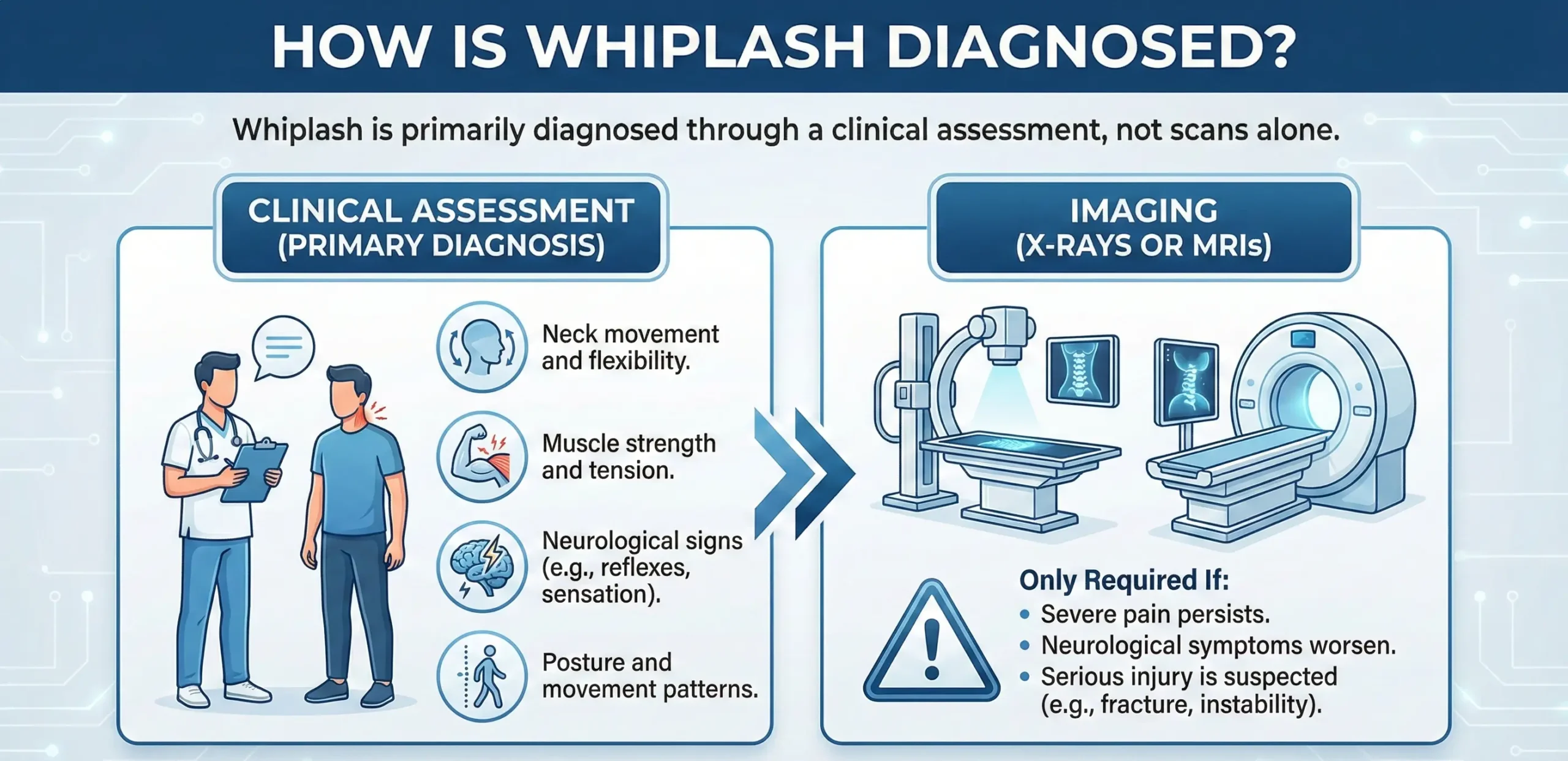
How Is Whiplash Diagnosed?
Whiplash is primarily diagnosed through a clinical assessment, not scans alone.
A physiotherapist will assess:
-
Neck movement and flexibility
-
Muscle strength and tension
-
Neurological signs
-
Posture and movement patterns
Imaging, such as X-rays or MRIs, is only required if:
-
Severe pain persists
-
Neurological symptoms worsen
-
Serious injury is suspected
This approach aligns with current UK clinical guidance.
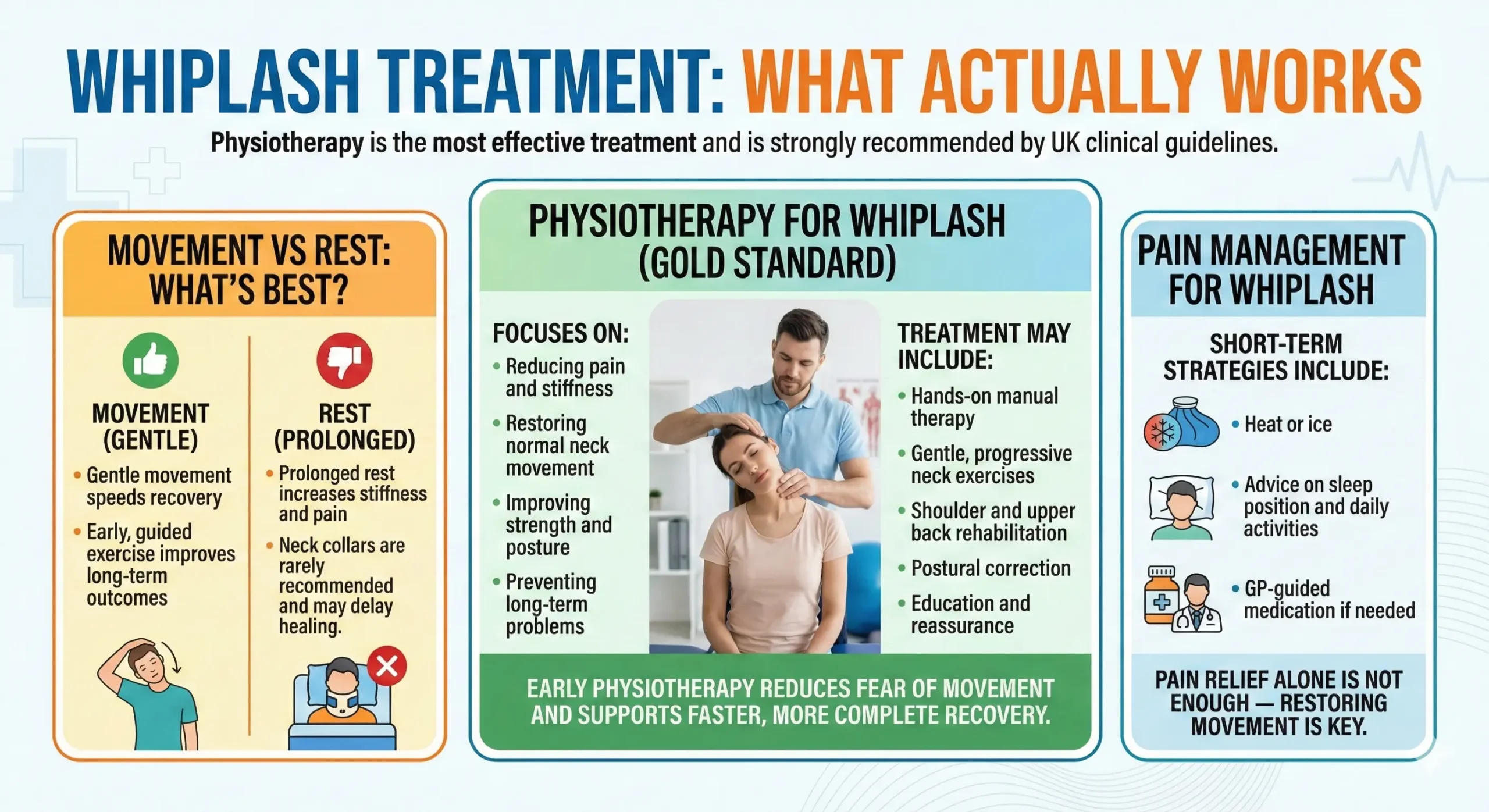
Whiplash Treatment: What Actually Works
Physiotherapy for Whiplash (Gold Standard)
Physiotherapy is the most effective treatment for whiplash’s injury and is strongly recommended by UK clinical guidelines.
What physiotherapy focuses on:
Reducing pain and stiffness
Restoring normal neck movement
Improving strength and posture
Preventing long-term problems
Treatment may include:
Hands-on manual therapy
Gentle, progressive neck exercises
Shoulder and upper back rehabilitation
Postural correction
Education and reassurance
Early physiotherapy reduces fear of movement and supports faster, more complete recovery.
Movement vs Rest: What’s Best for Whiplash?
Outdated advice often recommended rest or neck collars. Current evidence shows:
Gentle movement speeds recovery
Prolonged rest increases stiffness and pain
Early, guided exercise improves long-term outcomes
Neck collars are rarely recommended and may delay healing.
Pain Management for Whiplash
Short-term pain relief strategies may include:
Heat or ice
Advice on sleep position and daily activities
GP-guided medication if needed
Pain relief alone is not enough — restoring movement is key.
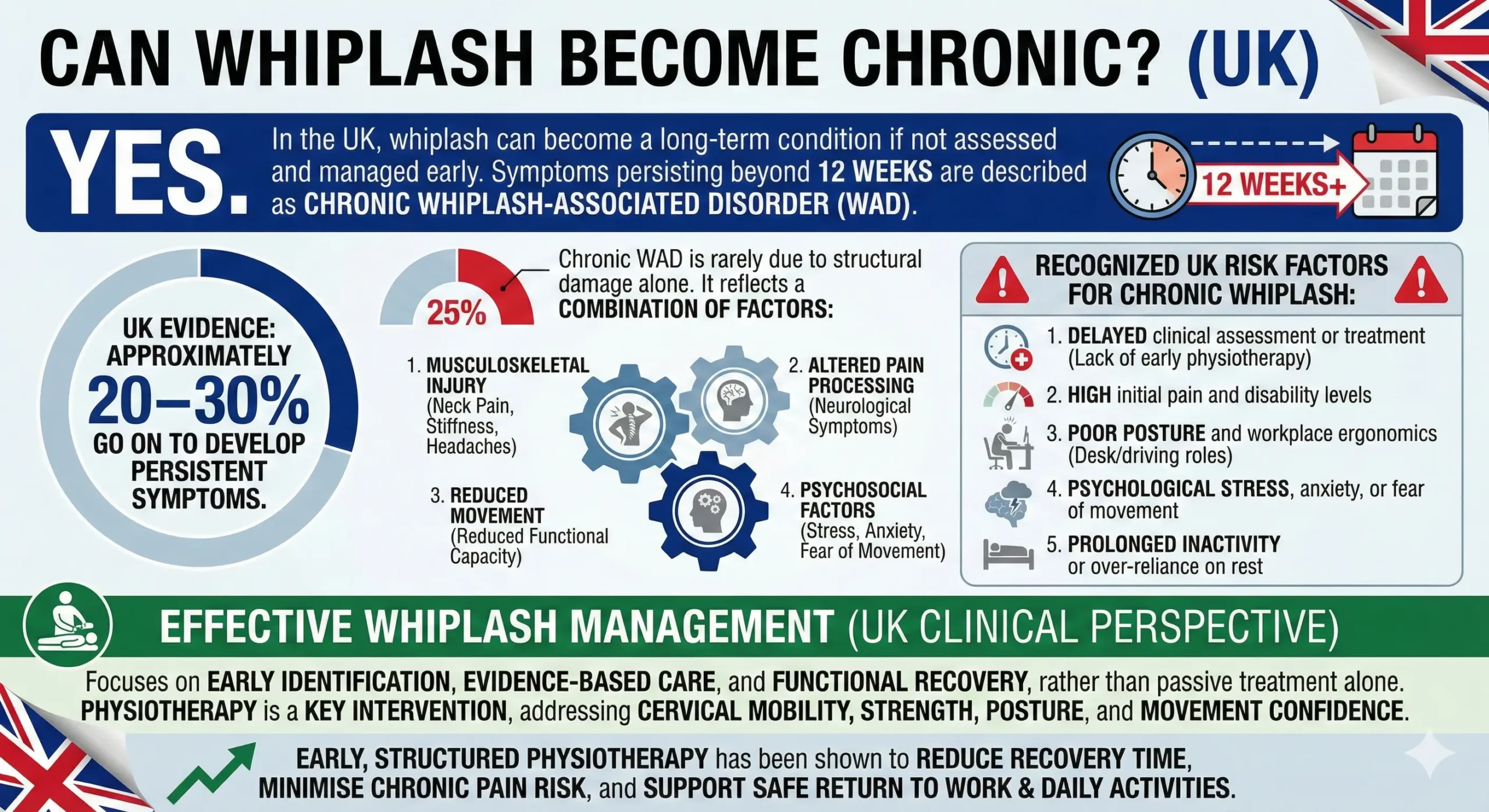
Can Whiplash Become Chronic? (UK)
Yes. In the UK, whiplash can become a long-term condition if it is not assessed and managed early. Symptoms that persist beyond 12 weeks are commonly described in UK clinical practice as chronic whiplash-associated disorder (WAD) and may include ongoing neck pain, stiffness, headaches, neurological symptoms, and reduced functional capacity.
UK evidence shows that while most patients recover within the expected timeframe, approximately 20–30% go on to develop persistent symptoms. Chronic whiplash is rarely due to structural damage alone. Instead, it reflects a combination of musculoskeletal injury, altered pain processing, reduced movement, and psychosocial factors following a road traffic accident.
Recognized UK risk factors for chronic whip-lash include:
Delayed clinical assessment or treatment, particularly a lack of early physiotherapy
High initial pain and disability levels, which are strongly associated with prolonged recovery
Poor posture and workplace ergonomics, especially prolonged desk-based or driving roles
Psychological stress, anxiety, or fear of movement following an accident
Prolonged inactivity or over-reliance on rest, leading to stiffness and deconditioning
From a clinical perspective, effective whiplash management focuses on early identification, evidence-based care, and functional recovery, rather than passive treatment alone. Physiotherapy is a key intervention, addressing cervical mobility, strength, posture, and movement confidence while also supporting patients with education and reassurance.
Early, structured physiotherapy has been shown in UK clinical practice to reduce recovery time, minimise the risk of chronic pain, and support a safe return to work and daily activities. This combined physical and functional approach is central to preventing long-term whiplash-associated disability.
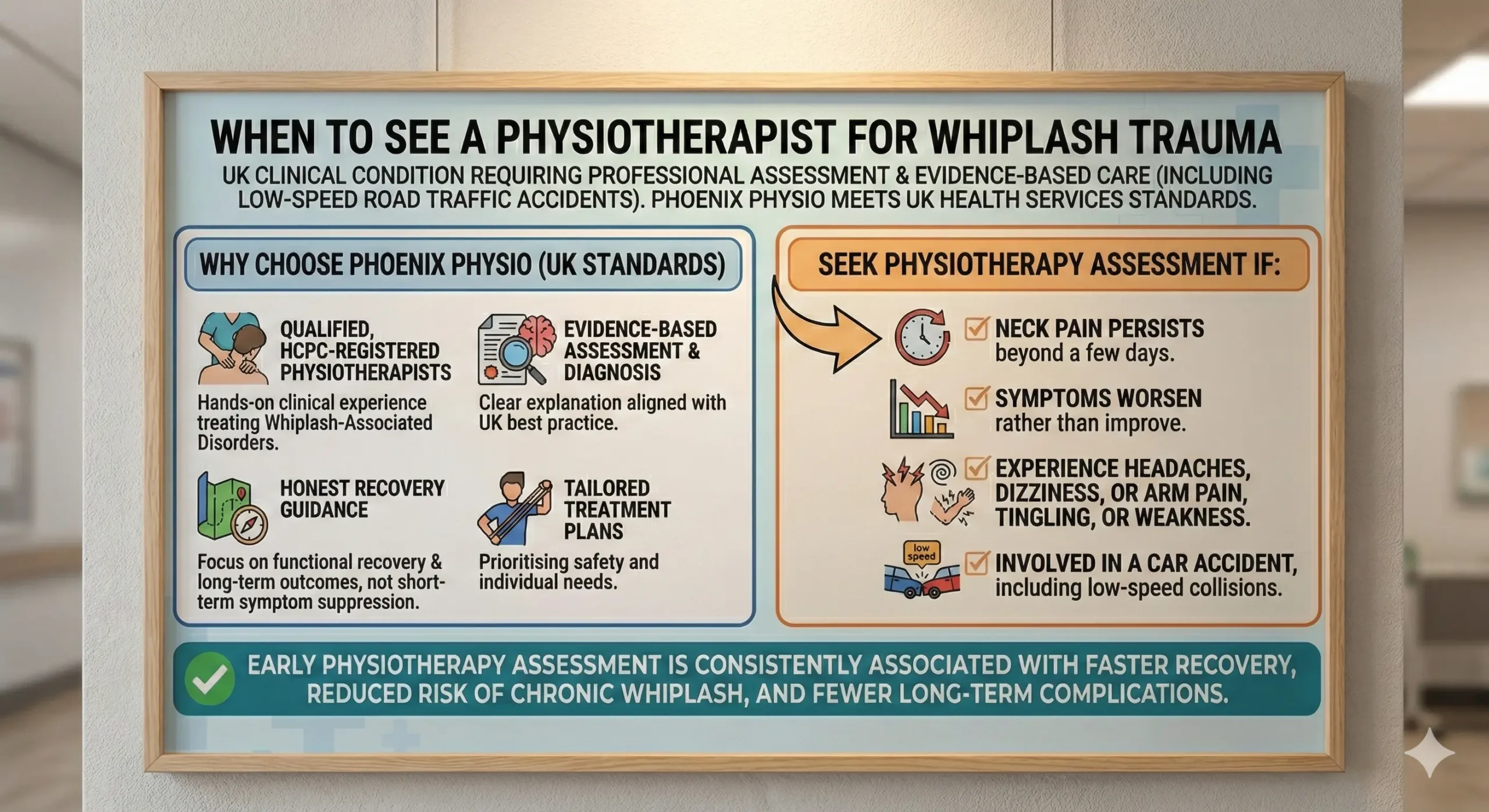
When to See a Physiotherapist for such Trauma
It is a clinical condition that requires professional assessment and evidence-based care, particularly following a road traffic accident, even at low speed. Phoenix Physio meets standards for UK health services by delivering clear, clinically sound, and patient-focused physiotherapy for whiplash and neck injuries.
Qualified, HCPC-registered physiotherapists lead our care with hands-on clinical experience treating whiplash-associated disorders. Every patient receives an evidence-based assessment, a clear explanation of their diagnosis, and honest recovery guidance aligned with UK best practice. Treatment plans are tailored to the individual, prioritising safety, functional recovery, and long-term outcomes rather than short-term symptom suppression.
You should seek physiotherapy assessment if:
-
Neck pain persists beyond a few days
-
Symptoms worsen rather than improve
-
You experience headaches, dizziness, or arm pain, tingling, or weakness
-
You were involved in a car accident, including low-speed collisions
Early physiotherapy assessment is consistently associated with faster recovery, reduced risk of chronic whiplash, and fewer long-term complications.
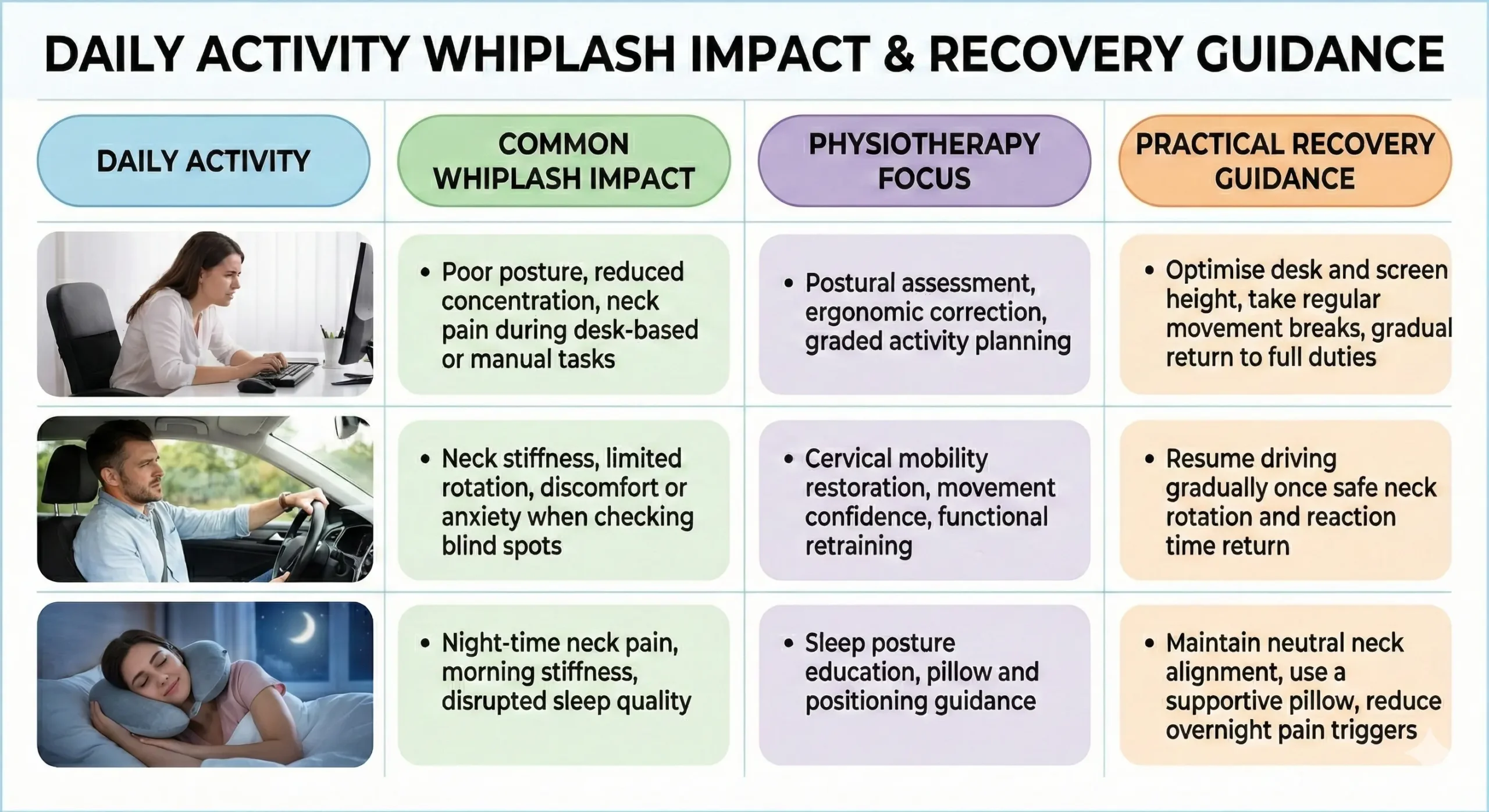
Whiplash and Daily Life: Work, Driving & Sleep
| Daily Activity | Common Whiplash Impact | Physiotherapy Focus | Practical Recovery Guidance |
|---|---|---|---|
| Work | Poor posture, reduced concentration, neck pain during desk or manual tasks | Postural assessment, ergonomic advice, graded activity planning | Optimised desk setup, regular movement breaks, phased return to normal duties |
| Driving | Neck stiffness, reduced rotation, discomfort or anxiety when checking blind spots | Cervical mobility restoration, movement confidence, functional retraining | Gradual return to driving once safe neck movement is restored |
| Sleep | Night-time neck pain, stiffness on waking, disrupted sleep quality | Sleep posture education, pillow and positioning advice | Neutral neck alignment, supportive pillow selection, pain reduction overnight |

Start Your Whiplash Recovery in Aylesbury
Neck pain after a road traffic accident is common, but how it’s managed locally makes a real difference. Access to timely, specialist physiotherapy in Aylesbury, Buckinghamshire, helps ensure whiplash injuries are assessed properly and treated using evidence-based methods from the outset.
Phoenix Physio provides whiplash physiotherapy in Aylesbury for residents across Aylesbury town centre and surrounding Buckinghamshire areas, offering clear diagnosis, structured rehabilitation, and practical recovery guidance tailored to daily life and work demands. Aylesbury-based physiotherapy clinic delivering trusted, clinically led whiplash care with a focus on safe recovery and long-term outcomes.

Conclusion
It is one of the most common injuries, but it should never be ignored. Symptoms can appear days after an accident and, without proper treatment, may lead to ongoing neck pain, headaches, stiffness, and reduced quality of life. Early assessment and evidence-based physiotherapy play a crucial role in recovery.
At Phoenix Physio, whiplash treatment focuses on restoring movement, reducing pain, and preventing long-term complications through structured, personalized care. Patients across Aylesbury and surrounding areas trust physiotherapy to support safe, effective recovery after car accidents and neck injuries.
If you are experiencing whiplash symptoms—whether mild or persistent—early physiotherapy can make a measurable difference to your recovery timeline and long-term neck health.
Frequently Asked Question
How serious is whiplash after a car accident?
It can range from mild to serious. While some cases resolve quickly, untreated whiplash may lead to long-term neck pain, headaches, and reduced movement. Early clinical assessment and physiotherapy significantly reduce the risk of chronic symptoms and support safer recovery.
How long does whiplash take to heal?
Such trauma usually requires recovery, typically taking 2–12 weeks, depending on injury severity and early management. Mild cases recover faster, while moderate to severe whiplash may take longer. Early physiotherapy improves recovery speed and reduces the likelihood of ongoing neck pain.
Can whiplash heal on its own without treatment?
Some mild trauma cases may improve on their own, but many people develop persistent symptoms without treatment. Physiotherapy helps restore movement, reduce pain, and prevent long-term complications, making recovery more complete and predictable.
Is physiotherapy the best treatment for This Trauma?
Yes. Physiotherapy is the most effective evidence-based treatment for whiplash. It focuses on restoring neck movement, reducing pain, improving posture, and preventing chronic symptoms through guided exercise, manual therapy, and patient education.
When should I start physiotherapy for whiplash?
Physiotherapy should begin as early as possible after such Trauma symptoms appear. Early treatment leads to faster recovery, reduces stiffness, and lowers the risk of long-term neck pain or reduced mobility.
What are delayed whiplash symptoms?
Delayed whiplash symptoms may appear hours or days after an accident. These include neck stiffness, headaches, dizziness, shoulder pain, fatigue, and difficulty concentrating. Delayed symptoms are common and should be assessed by a healthcare professional.
Should I see a physiotherapist after a low-speed accident?
Yes. It can occur even in low-speed accidents with minimal vehicle damage. Seeing a physiotherapist ensures early diagnosis, appropriate treatment, and reduced risk of long-term neck pain or movement problems, especially for patients in Aylesbury.