Postnatal Physiotherapy – Safe Return to Exercise After Childbirth
At Phoenix Physio, we provide personalised postnatal physiotherapy to help you recover from pregnancy and childbirth, rebuild core and pelvic floor strength, and safely return to the activities you enjoy.
As a leading physiotherapist, we offer expert, hands-on care tailored to your individual needs. Whether you’re healing from an injury, managing chronic pain, or working to improve mobility and performance, our experienced physiotherapy team is here to guide you every step of the way .
INTRODUCTION:
Pregnancy and childbirth bring significant changes to the core, pelvic floor and musculoskeletal system, so returning to exercise should be gradual and guided by your recovery. Safe postnatal rehabilitation usually begins with gentle breathing, pelvic floor activation and comfortable movement before progressing to core strengthening, walking and low-impact exercise.
Depending on your delivery and symptoms, your recovery may also include a gradual return to resistance training and higher-impact activities. Postnatal physiotherapy can help address pain, weakness, pelvic-floor symptoms, abdominal changes and difficulties returning to normal activity. At Phoenix Physio, we provide personalised postnatal physiotherapy support for women in Wendover a, helping you progress safely towards your recovery and fitness goals.
What Is Postnatal Physiotherapy?
Postnatal physiotherapy is a specialised form of physiotherapy that helps women recover strength, movement and physical function after pregnancy and childbirth. It is not simply about returning to exercise; it focuses on how your body has changed and what support you need during recovery.
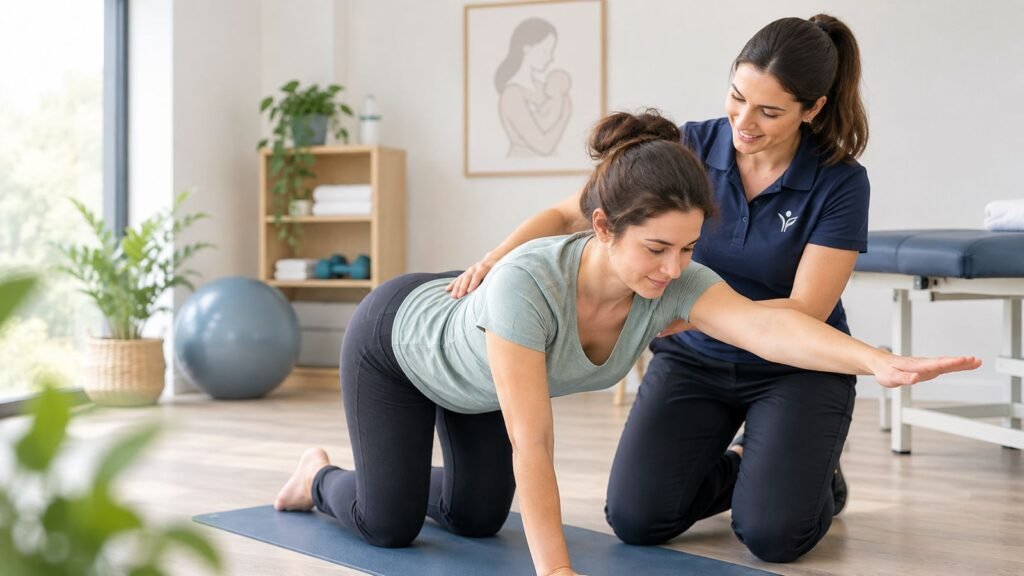
What Does Postnatal Physiotherapy Address?
A postnatal physiotherapy assessment may look at:
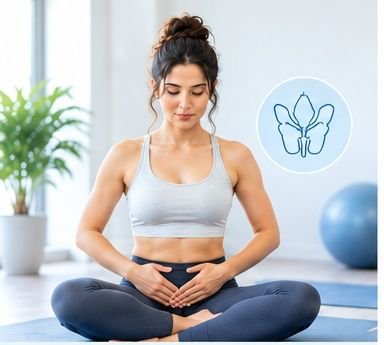
Pelvic Floor Function
Helping with weakness, urinary leakage, pelvic heaviness or pelvic pain.
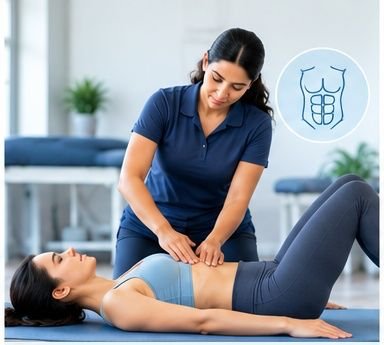
Core & Abdominal Function
Assessing abdominal weakness and changes such as diastasis recti.

Posture & Movement
Addressing changes related to pregnancy, feeding, lifting and carrying your baby.
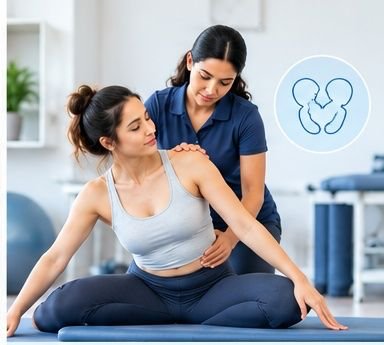
Back, Hip & Pelvic Pain
Identifying movement or strength issues that may contribute to ongoing discomfort.
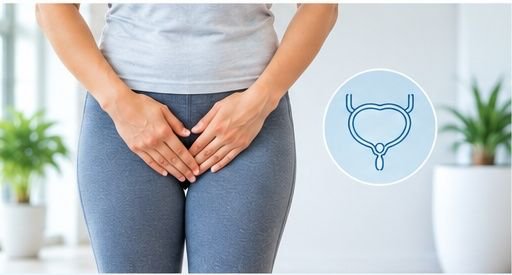
Bladder & Bowel Symptoms
Supporting appropriate pelvic floor rehabilitation where symptoms are present.
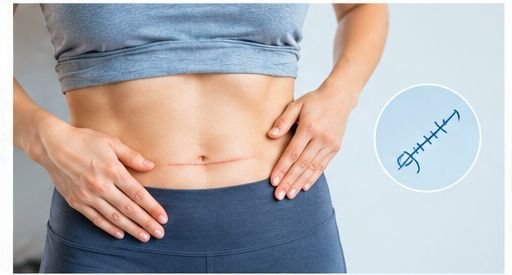
C-Section Recovery
Assessing scar-related discomfort, movement and abdominal function where appropriate.
Return to Exercise
Progressing from gentle movement and strengthening towards walking, resistance training and higher-impact activities as your recovery allows.
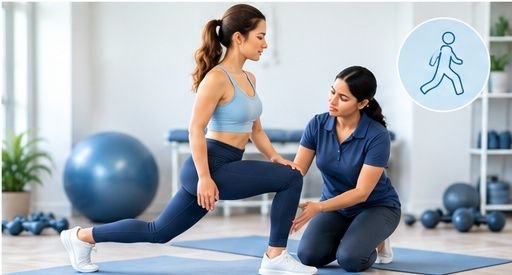
What Happens During a Postnatal Physiotherapy Assessment?
Your physiotherapist will discuss your pregnancy, delivery, current symptoms, activity levels and recovery goals. The assessment may include looking at your posture, movement, abdominal and core function, pelvic floor symptoms and overall strength. Where appropriate and with your consent, further pelvic health assessment may also be considered.
Based on your individual needs, your physiotherapist can create a personalised plan that may include exercise guidance, movement advice, hands-on treatment where appropriate and simple exercises to continue at home. Your programme can then be progressed as your strength, confidence and symptoms improve.
When Can You Start Exercising After Giving Birth?
There is no single exercise timeline that applies to every woman. After an uncomplicated birth, gentle movement such as walking, pelvic floor exercises and gentle stretching can usually begin when you feel ready.
After a caesarean or more complicated delivery, recovery may take longer and you should follow appropriate medical advice before progressing. NHS guidance recommends discussing higher-impact exercise such as running at the postnatal check.
The following table provides a general guide rather than a fixed programme:
| Recovery Stage | What You May Focus On | Important Considerations |
|---|---|---|
|
01
Early recovery: 0–2 weeks |
Gentle beginnings Gentle breathing, pelvic floor activation, comfortable movement and short walks. | Start only when you feel comfortable. Keep activity gentle and allow your body time to heal. |
|
02
Building a foundation: 2–6 weeks |
Build gradually Gradually increase walking, pelvic floor exercises and gentle core exercises; introduce simple movements such as bridges or supported squats when appropriate. | Progress according to your symptoms, delivery and recovery. Exercises should not cause pain or increased bleeding. |
|
03
Developing strength: 6–12 weeks |
Strength & confidence Walking at a faster pace, low-impact exercise, gentle resistance training, cycling and appropriately progressed core work. | A 6-week check can be an opportunity to discuss your recovery before increasing exercise intensity, particularly after a caesarean or complicated delivery. |
|
04
Returning to impact: 12+ weeks |
Gradual return to impact Gradually introduce running, jumping and other higher-impact activities when your body is ready. | Twelve weeks is a general guide, not a target. Before progressing, consider pelvic-floor function, strength and symptoms. A graded return is recommended. |
|
05
Returning to higher-level fitness |
Work towards your goals Progress resistance, cardio, running or sport towards your individual goals. | Increase duration and intensity gradually. If you develop pain, urinary or bowel leakage, pelvic heaviness, abdominal doming or other symptoms, reduce the intensity and seek professional advice. |
What Changes Happen to Your Body After Childbirth?
Pregnancy and childbirth can affect the pelvic floor, abdominal muscles, posture, joints and overall strength. Caring for your baby can also place additional strain on your back, neck and shoulders.
Pelvic Floor Changes
The pelvic floor may become stretched or weakened after pregnancy and birth. This can contribute to urinary leakage, bowel-control problems, pelvic heaviness or discomfort. Pelvic floor exercises and appropriate physiotherapy can support recovery.
Abdominal and Core Changes
The abdominal muscles can stretch during pregnancy, sometimes causing diastasis recti and reduced core strength. Gradual strengthening can help improve abdominal function and support everyday movements.
Back and Pelvic Changes
Feeding, lifting, carrying and prolonged positions can contribute to back, pelvic, neck or shoulder discomfort. Physiotherapy can provide advice on movement, posture and strengthening.
C-Section Recovery
After a C-section, scar sensitivity, abdominal weakness or discomfort may affect movement and exercise. Recovery should be gradual and based on healing and individual medical advice.
Core Recovery and Diastasis Recti After Pregnancy
Diastasis recti, or abdominal separation, occurs when the abdominal muscles stretch during pregnancy. Common signs include abdominal doming or bulging, reduced core strength, back discomfort and difficulty with everyday movements.
A physiotherapist can assess your abdominal function, core strength, movement and symptoms. The size of the gap is only one part of recovery; strength, control and function also matter.
Postnatal physiotherapy may help improve core function through breathing, deep abdominal activation and gradual strengthening. If abdominal separation remains obvious around 8 weeks after birth, or you have ongoing pain or weakness, seek appropriate professional advice.
Postnatal Exercises: Where to Start
Returning to exercise after childbirth should be gentle and gradual, based on your recovery, symptoms and type of delivery. In the early weeks, focus on rebuilding breathing, pelvic floor and core control before progressing to more demanding exercise.
Weeks 0–6
Start with diaphragmatic breathing, gentle pelvic floor exercises, short walks and comfortable pelvic tilts when you feel ready.
Weeks 6–12
Gradually introduce exercises such as cat-cow stretches, clamshells, glute bridges and other low-impact activities as your recovery allows.
After 12 Weeks
Higher-impact exercise such as running and jumping can be introduced gradually when your strength, pelvic floor function and symptoms are suitable.
Avoid exercises that cause pain, abdominal doming, dizziness, excessive straining or increased bleeding. If you had a C-section, significant tearing or other complications, seek appropriate medical advice before progressing your exercise programme. A postnatal physiotherapist can guide you through safe, personalised exercises for recovery.
Returning to Walking, Strength Training and Running
Start with Walking
Begin with comfortable, short walks and gradually increase duration and pace.
Add Strength Training
Progress to exercises such as squats, bridges and light resistance work as your recovery allows.
Increase Gradually
Build exercise intensity step by step rather than returning to your previous routine immediately.
Monitor Symptoms
Exercise should not cause pain, urinary leakage, pelvic heaviness or abdominal doming.
Return to Running Gradually
Introduce running and other high-impact activities only when your strength and pelvic floor function are ready.
Get Professional Guidance
If symptoms continue or you are unsure when to progress, a postnatal physiotherapy assessment can help you return to exercise safely.
Every recovery is different. Your return to exercise should be gradual and based on your individual recovery, symptoms and physical readiness.
Common Postnatal Problems Physiotherapy Can Help With
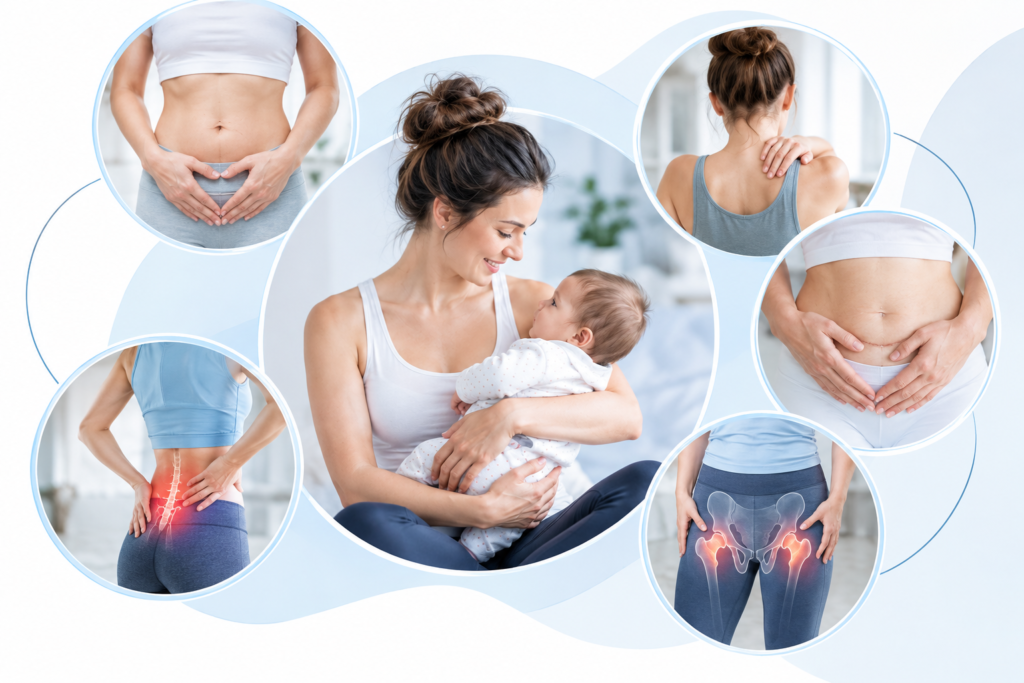
Postnatal physiotherapy can help women recover from pregnancy and childbirth by improving strength, movement and pelvic health. Common problems that may benefit from physiotherapy include:
- Pelvic Floor Problems: Weakness may cause urinary or bowel leakage, pelvic heaviness or discomfort. Targeted pelvic floor exercises can help improve muscle strength and control.
- Diastasis Recti: Abdominal muscle separation can affect core strength and movement. A physiotherapist can assess your abdominal function and provide a gradual exercise programme.
- Back, Neck & Shoulder Pain: Feeding, lifting and carrying your baby can contribute to postnatal back, neck or shoulder discomfort. Physiotherapy can provide advice on posture, movement and strengthening.
- C-Section & Perineal Recovery: Ongoing scar discomfort, sensitivity or movement difficulties after childbirth may require individual assessment and rehabilitation.
- Pelvic Girdle Pain: Persistent pain around the pelvis, hips or pubic area can be assessed and managed with appropriate exercises and movement advice.
When Should You See a Postnatal Physiotherapist?
You can see a postnatal physiotherapist at any stage after childbirth if you have pain, weakness or concerns about your recovery. After an uncomplicated birth, gentle activity can usually begin when you feel ready, while the routine postnatal check around 6–8 weeks is a useful time to discuss ongoing symptoms and exercise progression.
Consider a postnatal physiotherapy assessment if you have:
You do not need to wait for a routine check-up if symptoms are affecting your recovery. A postnatal physiotherapist in Wendover can assess your individual needs and provide a personalised recovery and exercise plan.
Personalised support · Individual recovery · Safe progressionWhat Happens During a Postnatal Physiotherapy Assessment?
A postnatal physiotherapy assessment looks at how your body is recovering after pregnancy and childbirth, including your pelvic floor, core, posture, movement and any pain or symptoms. Your physiotherapist may:
- Discuss your recovery: Review your pregnancy, type of delivery, symptoms and recovery goals.
- Assess posture and movement: Check how your posture, breathing, back and pelvis may be affecting your movement.
- Check your core: Assess abdominal strength and possible diastasis recti (abdominal separation).
- Assess the pelvic floor: With your consent, a pelvic floor assessment may be offered to check muscle strength, control and function. An internal examination is optional.
- Review scar recovery: Where appropriate, assess C-section or perineal scar-related symptoms.
- Create a personalised plan: Provide tailored exercises, advice and a gradual plan for returning to everyday activities and exercise.
Postnatal Physiotherapy in Wendover
At Phoenix Physio, we provide personalised postnatal physiotherapy in Wendover to support recovery after pregnancy and childbirth. We understand that every postpartum journey is different, so your treatment is tailored to your symptoms, recovery and individual goals.
Our physiotherapy can help with pelvic floor weakness, diastasis recti, back or pelvic pain, reduced core strength and difficulties returning to exercise. We assess your posture, movement, core and pelvic floor function, then create a structured recovery plan focused on strengthening, mobility and a gradual return to walking, strength training and running.
Rather than following a generic exercise programme, you receive evidence-based guidance, personalised exercises and ongoing support to help you progress safely. We also provide advice you can follow at home, helping you build confidence and return to everyday activities and exercise at a comfortable pace.
We support women in Wendover and surrounding areas, with a focus on safe, practical and individualised postnatal recovery.
Your Recovery, Your Goals
Frequently Asked Questions
Find answers to some common questions about postnatal physiotherapy, recovery and returning to exercise after childbirth.
When can I start exercising after giving birth?
After an uncomplicated birth, gentle activity such as walking, pelvic floor exercises and gentle movement can usually begin when you feel ready. Higher-impact exercise should be introduced gradually according to your recovery and symptoms.
Can postnatal physiotherapy help with diastasis recti?
Yes. A physiotherapist can assess your abdominal function and provide a gradual exercise programme to improve core strength, control and movement.
Can physiotherapy help with pelvic floor weakness after childbirth?
Postnatal physiotherapy can support women with pelvic floor weakness, urinary leakage, pelvic heaviness and other pelvic floor symptoms through assessment and rehabilitation.
When should I see a postnatal physiotherapist?
You can seek an assessment at any stage after childbirth if you have pain, weakness, pelvic floor symptoms, abdominal changes or difficulty returning to exercise.
Do I need an internal pelvic floor examination?
Not always. Where clinically appropriate, an internal examination may be offered, but it is optional and should only take place with your informed consent.
Can I return to running after childbirth?
Running is a high-impact activity and should be introduced gradually. Many NHS physiotherapy resources use around 12 weeks as a general guide rather than a target, but some women may need longer depending on symptoms, strength and pelvic floor function.