Back and Neck Pain Relief
Back and neck pain can make everyday activities uncomfortable, from sitting at your desk and driving to sleeping, exercising, or simply moving around. At Phoenix Physio, we provide personalised physiotherapy to help identify the factors contributing to your pain and improve your movement, strength and confidence.
Our physiotherapists assess your symptoms and create a treatment plan based on your condition, lifestyle, and recovery goals.

What Can Cause Back and Neck Pain?
Back and neck pain can develop for many different reasons. It may be related to an injury, poor posture, repetitive movements, muscle tension, joint stiffness or changes in how your body moves.
Get Support for Your Back or Neck Pain
Understanding what may be contributing to your symptoms is an important part of effective physiotherapy. We can assess your individual needs and create a treatment approach designed around your recovery goals.

Back Pain Treatment
Lower back pain is one of the most common reasons people seek physiotherapy. It can range from a mild ache to pain that significantly affects movement and daily activities.
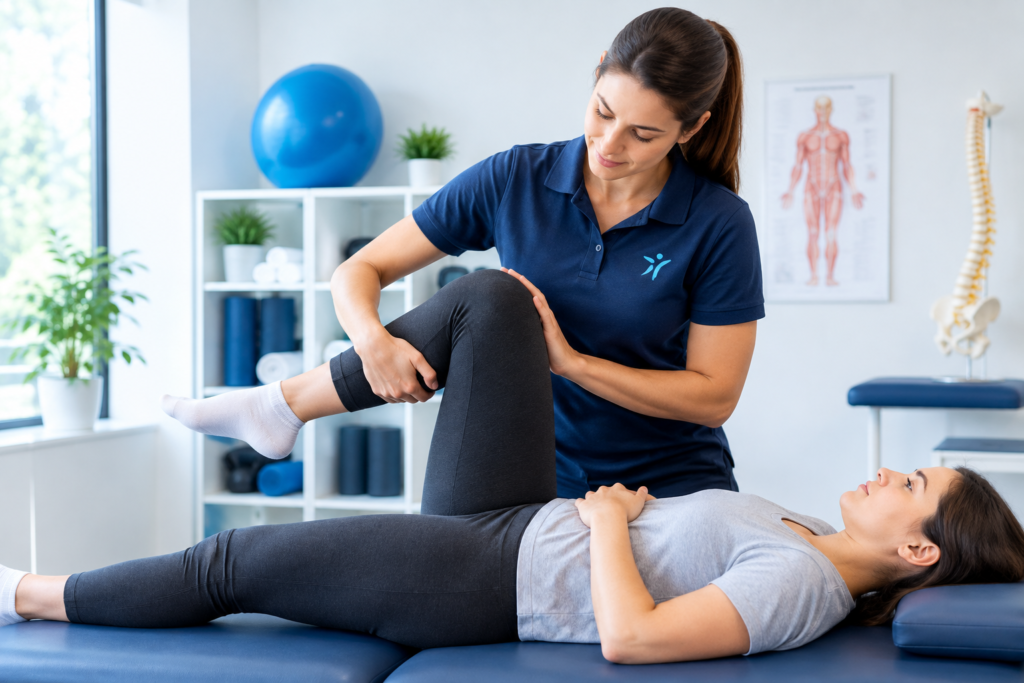
At Phoenix Physio, we assess your back, movement patterns and overall physical function before developing a treatment plan. Depending on your individual needs, treatment may include hands-on therapy, mobility exercises, strengthening exercises, movement advice, and strategies to help you manage your symptoms.

Neck Pain Treatment
Neck pain can cause stiffness, restricted movement and discomfort around the shoulders. Some people may also experience headaches or symptoms extending into the upper back or arms.
Our physiotherapists can assess your neck movement, posture and surrounding muscles to understand what may be contributing to your symptoms. Your treatment plan will be tailored to your condition and may include manual therapy, exercises, posture and movement advice, and progressive strengthening.
Our Approach to Back and Neck Pain
At Phoenix Physio, we take a personalised approach to back and neck pain, focusing on understanding your symptoms, improving movement and supporting your long-term recovery.
Assess
We begin by understanding your symptoms, medical history, lifestyle and goals. Your physiotherapist will assess your posture, movement and physical function to better understand your condition.
Identify
We use the assessment to identify the factors that may be contributing to your pain, stiffness or movement difficulties and help you understand your condition.
Treat
Your treatment may include manual therapy, specific exercises, mobility work, strengthening and practical advice based on your individual needs and recovery goals.
Support Your Recovery
We will guide you throughout your recovery and provide advice and exercises that can help you continue making progress between appointments and return to your everyday activities.
When Should You See a Physiotherapist?
Consider seeking professional advice if your back or neck pain is affecting your daily activities, movement, sleep, exercise or work.
You may benefit from an assessment if you have:
- Persistent or recurring back pain
- Neck stiffness or restricted movement
- Pain after an injury
- Muscle tension or weakness
- Pain that affects exercise or daily activities
- Difficulty returning to normal movement
Frequently Asked Questions
The most appropriate treatment depends on the cause and nature of your symptoms. Physiotherapy may include exercises, manual therapy, mobility work, strengthening and advice tailored to your condition.
Yes. Physiotherapy can help many people with lower back pain by improving movement, strength and physical function while providing strategies to manage symptoms.
A physiotherapist can assess your neck movement, posture and surrounding muscles and develop an individual treatment plan to improve mobility and reduce discomfort.
The number of sessions varies depending on your condition, symptoms and recovery goals. Your physiotherapist will discuss your treatment plan with you after your assessment.
Bring any relevant medical reports, scan or X-ray results, and any supports or braces you use. Comfortable, loose-fitting clothing is recommended for assessment and treatment.