TMJ Jaw Pain Physiotherapy in Wendover, UK
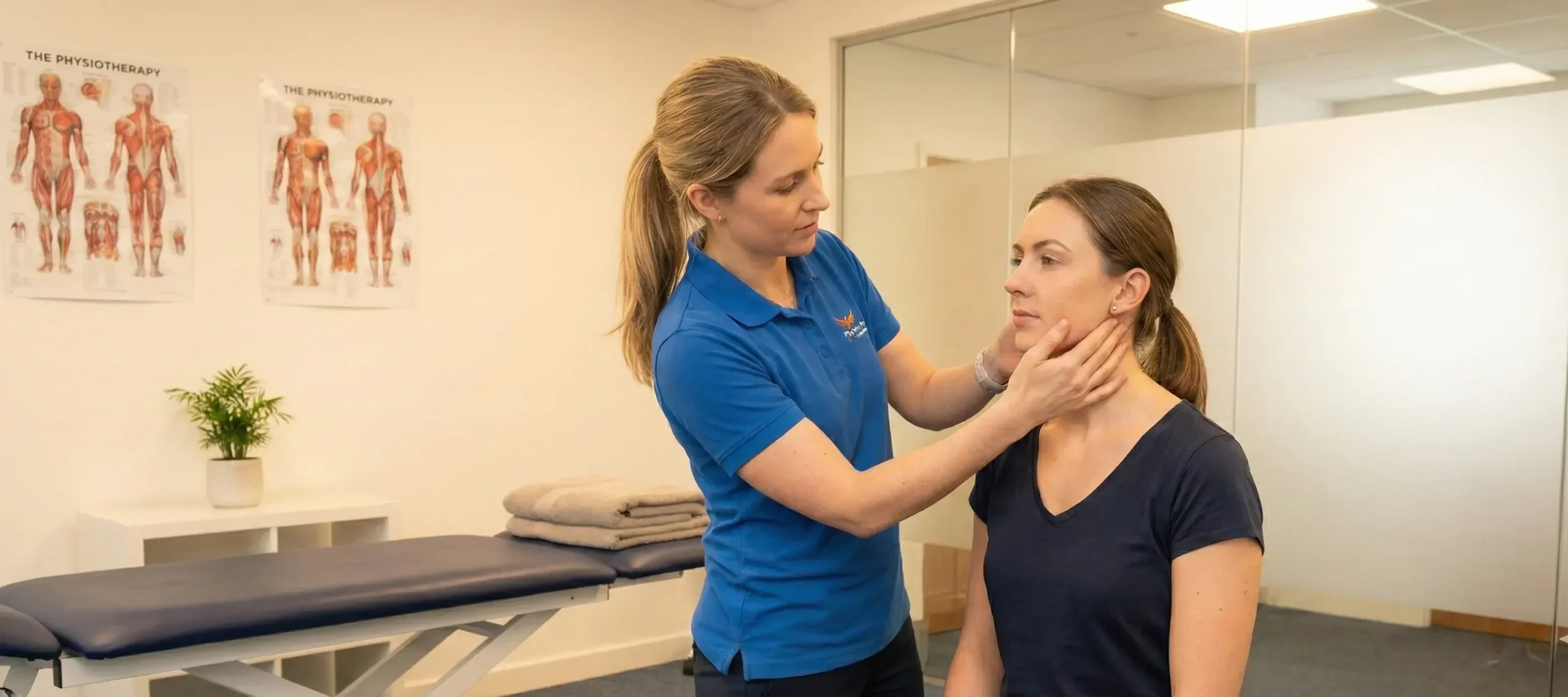
TMJ jaw pain physiotherapy in Wendover is usually sought after months of uncertainty. Most people do not start by booking physiotherapy. They start by changing how they eat, avoiding harder foods, ignoring clicking sounds, or assuming jaw pain is simply stress-related. Some are reassured after dental checks and scans appear normal, yet the discomfort continues.
By the time patients reach a physiotherapy clinic, jaw pain is rarely mild. It is affecting meals, sleep, concentration, or confidence when speaking. What often causes frustration is the lack of a clear explanation. If nothing looks wrong on imaging, why does the jaw still hurt?
Jaw pain linked to temporomandibular joint dysfunction, commonly referred to as TMJ disorder or TMD, is rarely caused by a single damaged structure. In practice, it is usually driven by how the jaw is being loaded day after day. Muscle tension, clenching habits, neck stiffness, posture, breathing patterns, and long hours at a desk all contribute. Treating the jaw alone often leads to temporary relief followed by recurrence.
At Phoenix Physio in Wendover, TMJ jaw pain physiotherapy focuses on identifying what is actually driving the problem and correcting it properly. Treatment is based on a detailed physiotherapy assessment, not generic advice or quick fixes. The goal is long-term improvement, restored confidence with jaw movement, and prevention of recurring flare-ups.
TMJ jaw pain physiotherapy in Wendover may be appropriate if you experience:
Jaw pain when chewing, eating, or yawning
Clicking, popping, or grinding sounds that are worsening
Jaw stiffness on waking or later in the day
Locking, catching, or hesitation when opening the mouth
Facial pain around the cheeks or temples
Ear pressure without infection
Headaches linked to jaw or neck tension
Symptoms that worsen with stress or desk-based work
Many people are surprised by how interconnected these symptoms are until they are assessed properly.
TMJ Jaw Pain Physiotherapy in Wendover
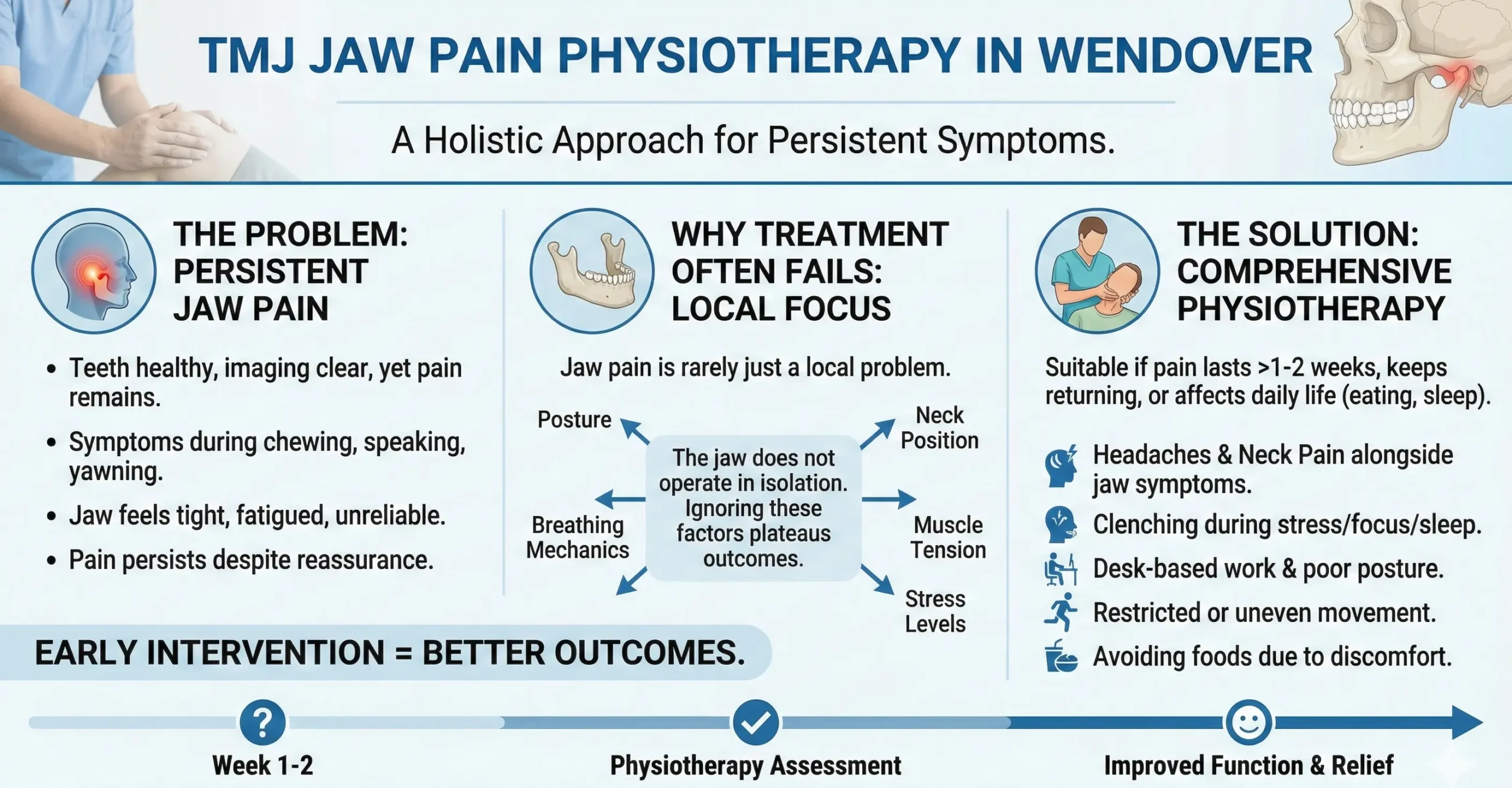
TMJ jaw pain physiotherapy is suitable for people whose symptoms persist despite reassurance that nothing serious is wrong. This is one of the most common situations seen in clinic. Teeth appear healthy. Imaging is clear. Yet jaw pain continues to affect daily life.
This is where treatment often goes off track.
Jaw pain is frequently approached as a local problem when it is not one. The jaw does not operate in isolation. It responds to posture, neck position, breathing mechanics, muscle tension, and stress levels. When these factors are ignored, treatment outcomes tend to plateau.
Jaw pain physiotherapy in Wendover is appropriate if pain appears during chewing, speaking, yawning, or prolonged mouth opening, or if the jaw feels tight, fatigued, or unreliable. Clicking or popping alone is not always problematic, but when combined with pain, stiffness, or restriction it usually indicates inefficient movement.
TMJ jaw pain physiotherapy is particularly relevant for people who clench or grind their teeth. This often happens without awareness, especially during stress, focus, or sleep. Desk-based work, poor posture, and prolonged screen use significantly increase jaw load and are common contributors to ongoing symptoms.
Who TMJ Jaw Pain Physiotherapy Is For
TMJ jaw pain physiotherapy is commonly suited to people who:
Have jaw pain that keeps returning
Experience headaches or neck pain alongside jaw symptoms
Notice clenching during stress or concentration
Work long hours seated or at a screen
Feel their jaw movement is restricted or uneven
Avoid certain foods due to discomfort
Jaw pain rarely exists on its own, even when it feels local.
When Jaw Pain Needs Physiotherapy
Jaw pain should be assessed when it lasts longer than one to two weeks, keeps recurring, or begins to affect eating, speaking, or sleep. Locking, worsening stiffness, or pain spreading to the head or neck are clear indicators that physiotherapy assessment is appropriate. Early intervention consistently leads to better outcomes.
Understanding the Temporomandibular Joint
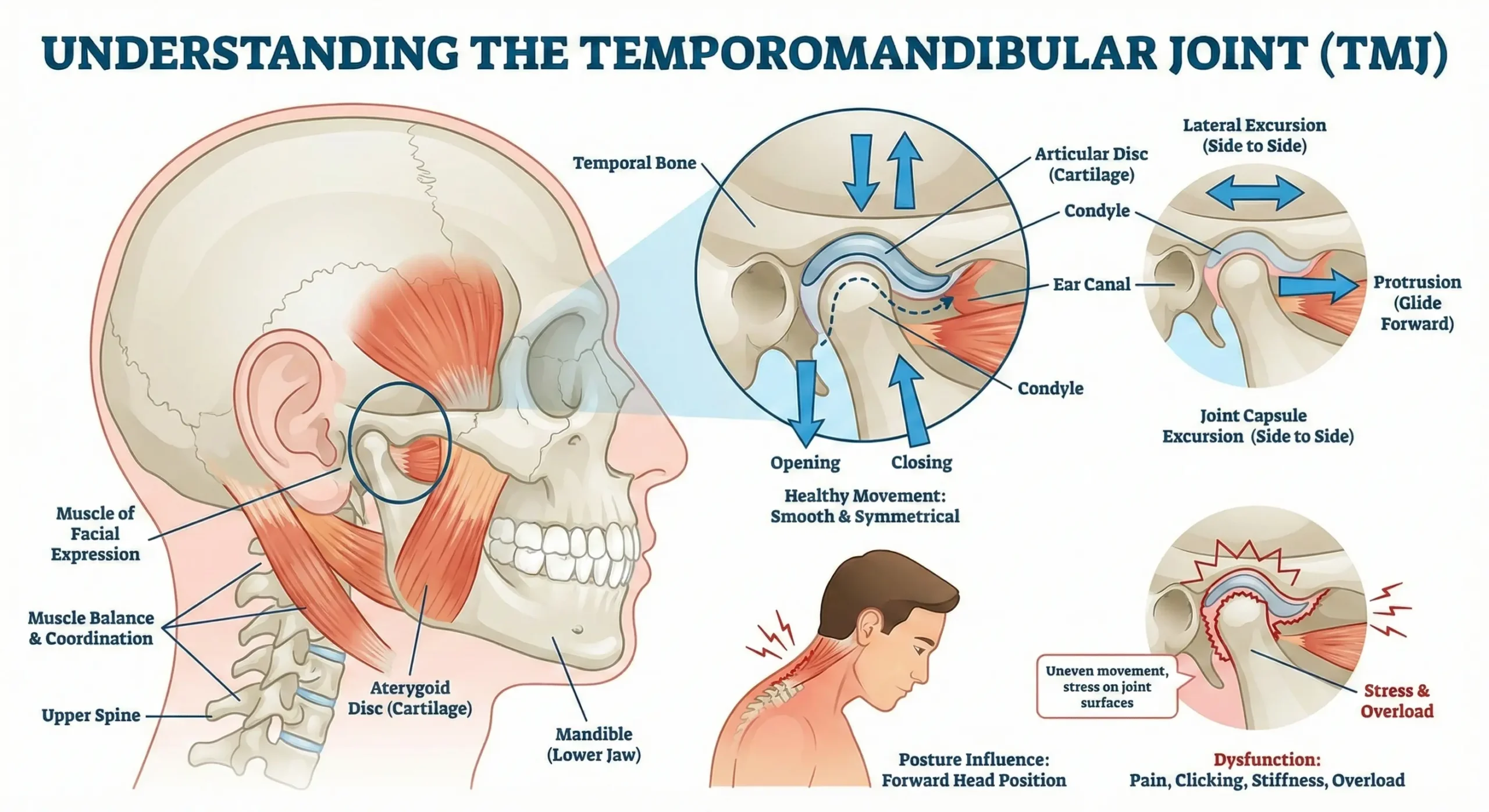
The temporomandibular joint connects the lower jaw to the skull and sits just in front of each ear. It allows the jaw to open, close, glide forward, and move side to side during chewing, speaking, swallowing, and yawning. Unlike many joints in the body, the TMJ is not a simple hinge.
Inside the joint is a small cartilage disc that helps distribute load and allows smooth motion. For the joint to function well, the muscles of the jaw, face, neck, and upper spine must work together in a coordinated way. Because the jaw is used constantly throughout the day, even small changes in muscle balance or posture can lead to overload.
Inside the joint is a small cartilage disc that helps distribute load and allows smooth motion. For the joint to function well, the muscles of the jaw, face, neck, and upper spine must work together in a coordinated way. Because the jaw is used constantly throughout the day, even small changes in muscle balance or posture can lead to overload.
How the Jaw Joint Moves
Healthy jaw movement is smooth, controlled, and symmetrical. The jaw should open without deviation, close easily, and move side to side without strain. When movement becomes uneven or restricted, excessive stress is placed on the joint surfaces and surrounding muscles, often resulting in pain, clicking, or stiffness.
Why the TMJ Is Prone to Pain and Dysfunction
The TMJ is particularly vulnerable because it is strongly influenced by posture, neck position, and stress. Forward head posture alters jaw resting position and increases muscle activity. In many cases, the jaw is compensating for restrictions in the neck or upper spine, which explains why jaw-only treatment often fails.

What Is TMJ Joint Pain and Dysfunction
TMJ joint pain refers to pain, stiffness, clicking, or restricted movement affecting the jaw joint and surrounding muscles. Clinically, this is described as temporomandibular joint disorder, a broad term covering a range of functional problems rather than a single diagnosis.
Symptoms vary widely. Some people experience sharp pain when chewing. Others report a constant dull ache in the jaw, face, or temples. Jaw stiffness on waking, difficulty opening fully, or a sensation that the jaw is not moving smoothly are also common. In many cases, symptoms extend beyond the jaw and include headaches, neck pain, or ear discomfort.
TMJ Dysfunction as a Musculoskeletal Condition
From a physiotherapy perspective, TMJ dysfunction is treated as a musculoskeletal condition. The focus is on movement quality, muscle control, load management, and how the jaw interacts with the rest of the body.
Why TMJ Pain Is Often Missed?
TMJ pain is often missed because it does not always show on scans and frequently overlaps with dental or ear symptoms. Without assessing movement, posture, and habits, the underlying cause remains untreated.
Common Symptoms of TMJ Jaw Pain
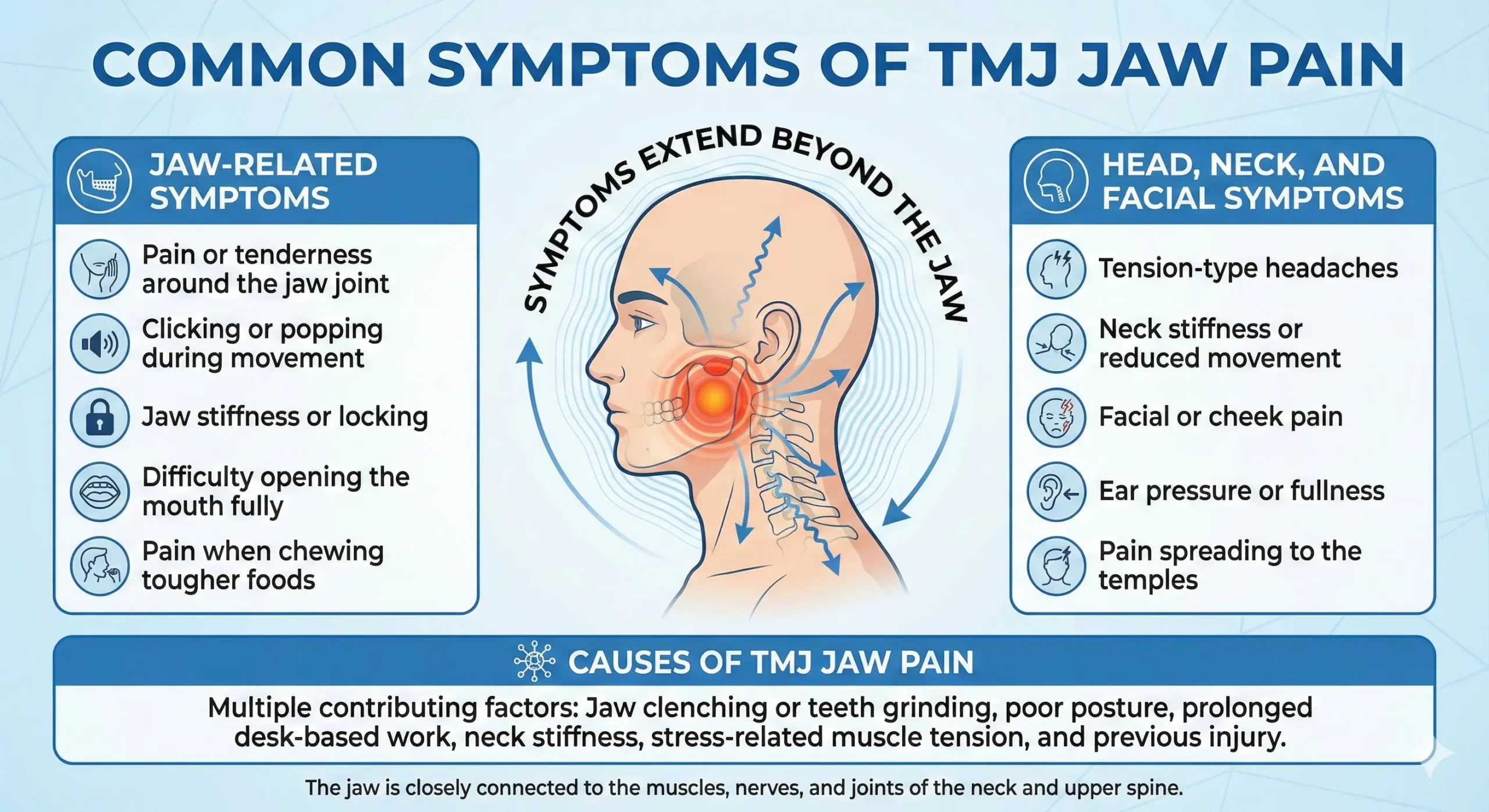
Although symptoms are often felt around the jaw joint, the condition frequently involves surrounding areas and systems. Many people are surprised to learn that TMJ-related pain can extend into the head, neck, face, and even the upper shoulders. This is because the jaw does not function in isolation. It is closely connected to the muscles, nerves, and joints of the neck and upper spine.
When jaw movement becomes inefficient or overloaded, nearby muscles often compensate. Over time, this can lead to tension headaches, neck stiffness, facial pain, or a feeling of pressure around the ears. Some people notice discomfort spreading to the temples or a persistent tightness in the face that does not fully settle with rest. These symptoms are commonly misattributed to stress, sinus issues, or posture alone.
TMJ jaw pain can also affect daily function in less obvious ways. Eating may feel tiring, speaking for long periods can increase discomfort, and sleep quality may decline due to clenching or jaw tension overnight. Without addressing the full picture, treatment often focuses on one area while the underlying contributors remain. This is why TMJ jaw pain physiotherapy takes a broader approach, assessing how the jaw interacts with the neck, posture, and movement patterns as a whole.
Jaw-Related Symptoms
Pain or tenderness around the jaw joint
Clicking or popping during movement
Jaw stiffness or locking
Difficulty opening the mouth fully
Pain when chewing tougher foods
Head, Neck, and Facial Symptoms
Tension-type headaches
Neck stiffness or reduced movement
Facial or cheek pain
Ear pressure or fullness
Pain spreading to the temples
Causes of TMJ Jaw Pain
TMJ jaw pain rarely develops due to a single cause. It usually results from multiple contributing factors acting together, including jaw clenching or teeth grinding, poor posture, prolonged desk-based work, neck stiffness, stress-related muscle tension, and previous injury such as whiplash or dental procedures.
TMJ Jaw Pain Physiotherapy Assessment
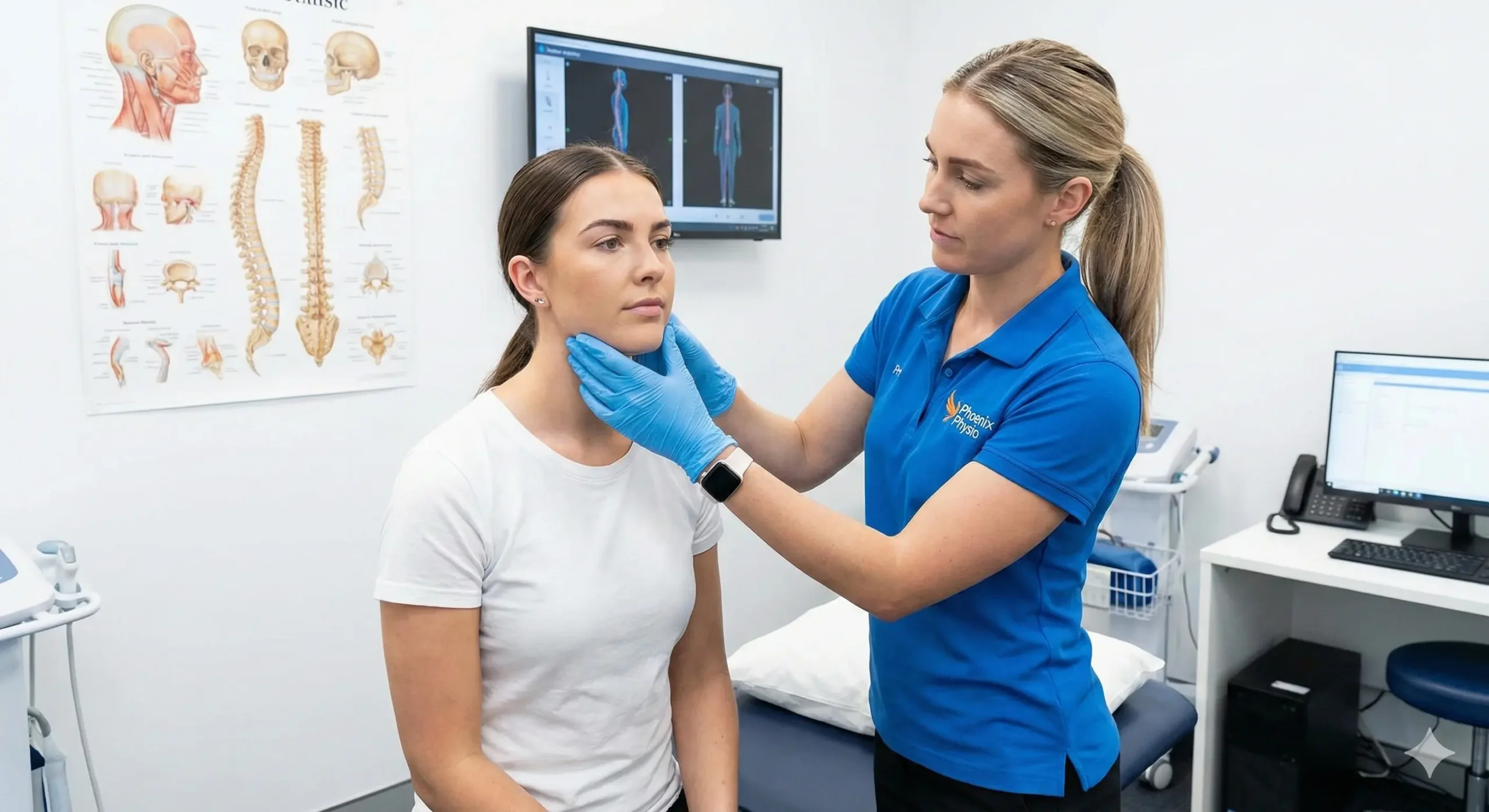
TMJ jaw pain physiotherapy at Phoenix Physio in Wendover begins with a detailed, whole-body assessment. Jaw pain is never assessed in isolation.
What Is Assessed During a TMJ Physiotherapy Appointment
Assessment includes jaw movement observation, muscle tenderness testing, neck and upper spine mobility, posture analysis, and discussion of habits such as clenching, grinding, sleep quality, and work setup.
Why Whole-Body Assessment Matters
This approach identifies the true drivers of symptoms. Treating only the jaw without addressing posture or neck involvement often leads to short-lived improvement.

TMJ Jaw Pain Physiotherapy Treatment
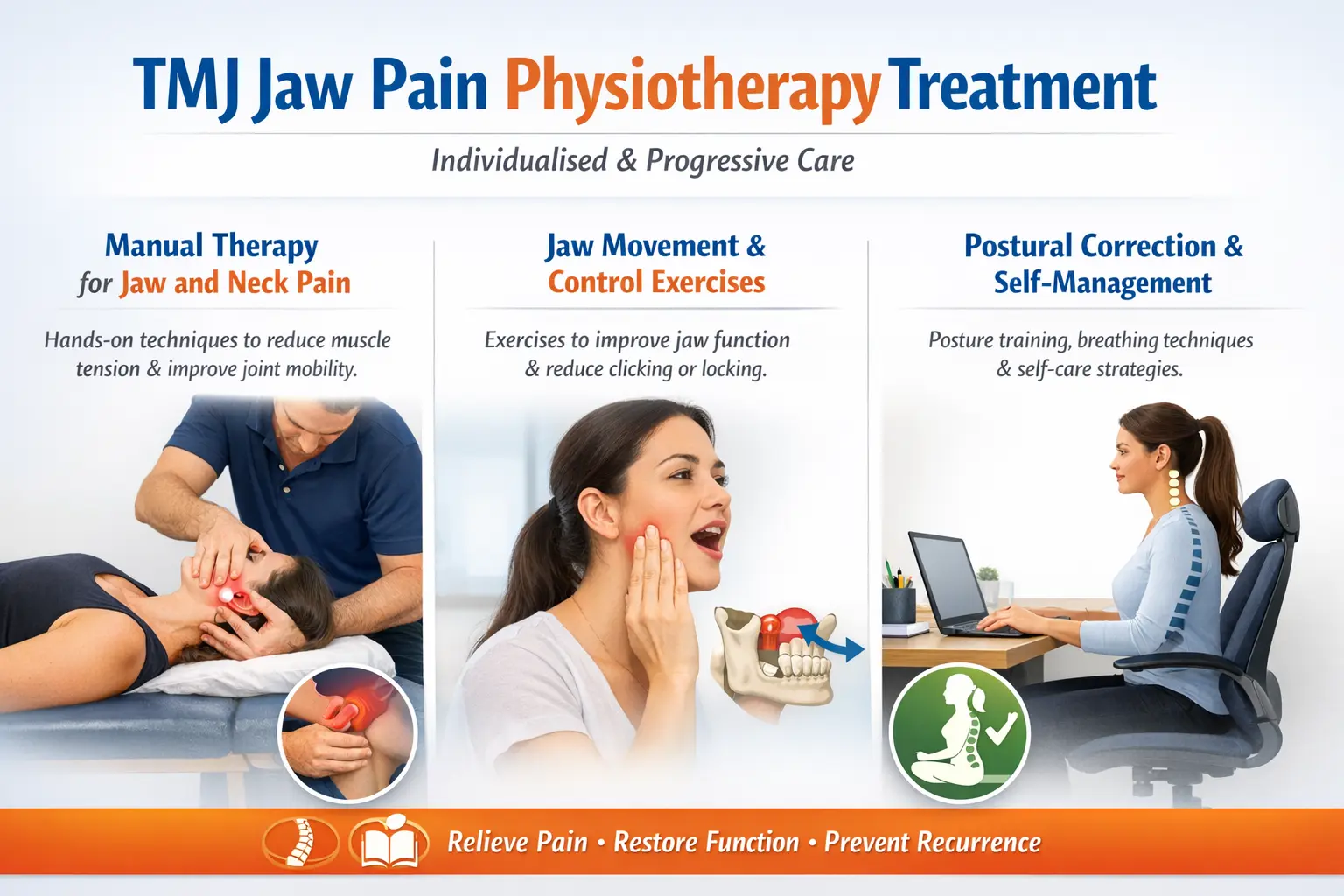
Individualised and progressive treatment approach focused on restoring comfortable, efficient jaw movement while addressing contributing factors such as neck mobility, posture, breathing patterns, and daily habits that may be increasing jaw load.
Hands-on manual therapy for the jaw and neck to reduce muscle tension, improve joint mobility, and ease stiffness or restriction that can contribute to ongoing pain, clicking, or discomfort during jaw movement.
Targeted jaw movement and control exercises designed to improve coordination, reduce clicking or locking, and retrain smooth jaw movement during everyday activities such as eating, speaking, and yawning.
Postural correction, breathing strategies, and self-management education to reduce ongoing jaw overload, address clenching or tension during stress, support recovery between sessions, and help prevent symptoms from returning long term.
Why Choose Phoenix Physio in Wendover
Choosing the right clinic for TMJ jaw pain matters. Jaw pain can be complex, and outcomes depend heavily on how well the problem is assessed and managed from the start. Many people seek help after months or years of symptoms, often having tried rest, medication, or dental advice without lasting improvement. At this stage, a more detailed and individualised approach is essential.
At Phoenix Physio in Wendover, TMJ jaw pain physiotherapy is approached as a movement and load-management problem, not just a painful joint. Treatment is built around understanding why the jaw is struggling and what needs to change to allow it to function normally again. This approach prioritises long-term results rather than short-term symptom suppression.
Individualised TMJ Physiotherapy
TMJ jaw pain does not present the same way in every person. Some people experience stiffness and restriction, others notice clicking or locking, and some develop pain that spreads into the head, neck, or face. Lifestyle factors, work demands, posture, stress levels, and previous injuries all influence how symptoms develop and persist.
For this reason, TMJ jaw pain physiotherapy at Phoenix Physio is never based on a standard protocol. Treatment is tailored to your specific symptoms, movement patterns, and daily demands. Assessment findings guide each stage of care, from hands-on treatment to exercise selection and self-management strategies. This ensures that treatment addresses the underlying drivers of your jaw pain rather than applying generic techniques.
Focus on Long-Term Results
Short-term relief is rarely enough for persistent TMJ jaw pain. While reducing pain is important, lasting improvement depends on restoring efficient movement, reducing excessive muscle tension, and improving how load is managed through the jaw and neck over time.
At Phoenix Physio, the focus is on helping you understand your condition and how to manage it effectively. Treatment includes education, movement retraining, and practical strategies that fit into daily life. This approach reduces the likelihood of recurring flare-ups and helps you regain confidence with eating, speaking, and normal jaw movement, rather than relying on repeated treatment for temporary relief.
Direct Access Physiotherapy in Wendover
Accessing physiotherapy for TMJ jaw pain does not need to be complicated. At Phoenix Physio in Wendover, no GP referral is required. You can book directly for assessment and begin treatment without unnecessary delays.
Direct access allows earlier intervention, which often leads to better outcomes. It also ensures continuity of care, with assessment and treatment delivered by the same clinician. This streamlined approach is particularly valuable for TMJ jaw pain, where early identification of contributing factors can prevent symptoms from becoming long-term or more complex. Book an appointment now for a focused TMJ assessment and start targeted treatment before jaw pain interferes with eating, speaking, or daily comfort.
Conclusion
TMJ jaw pain should not be ignored once it becomes persistent. Without proper assessment, symptoms often worsen and spread, affecting daily life. Physiotherapy addresses the root cause by restoring movement, reducing muscle tension, improving posture, and changing contributing habits.
Physiotherapy for TMJ jaw pain aims to reduce pain, improve jaw control, prevent flare-ups, and restore confidence with eating and speaking. If jaw pain keeps returning or worsening, a physiotherapy assessment in Wendover is the logical next step.
Frequently Asked Questions
Can physiotherapy help TMJ jaw pain in Wendover?
Yes. TMJ jaw pain physiotherapy in Wendover can help reduce pain, stiffness, clicking, and restricted movement by addressing jaw mechanics, muscle tension, posture, and neck involvement. It focuses on identifying the cause of the problem rather than masking symptoms, making it suitable for ongoing or recurring jaw pain.
Do I need a GP or dentist referral for TMJ physiotherapy in Wendover?
No. You do not need a GP or dentist referral to access TMJ jaw pain physiotherapy in Wendover. Phoenix Physio offers direct access physiotherapy, allowing you to book an assessment without delays, which often leads to earlier treatment and better outcomes.
What causes TMJ jaw pain in adults?
TMJ jaw pain is commonly caused by jaw clenching or grinding, poor posture, prolonged desk work, neck stiffness, stress-related muscle tension, or previous injury. In many cases, it develops gradually due to repeated strain rather than a single traumatic event.
How long does TMJ jaw pain physiotherapy take to work?
The time it takes for TMJ jaw pain physiotherapy to work depends on symptom duration, severity, and contributing factors. Many people notice improvement within a few sessions, particularly when treatment addresses posture, movement control, and daily habits alongside jaw-specific care.
How to make jaw pain go away fast?
Applying warm, moist heat or an ice pack to the side of your face may ease pain. Acute pain is best treated with an ice pack. Chronic dull pain is best treated with heat therapy. Apply heat or cold for 15 to 20 minutes several times a day.