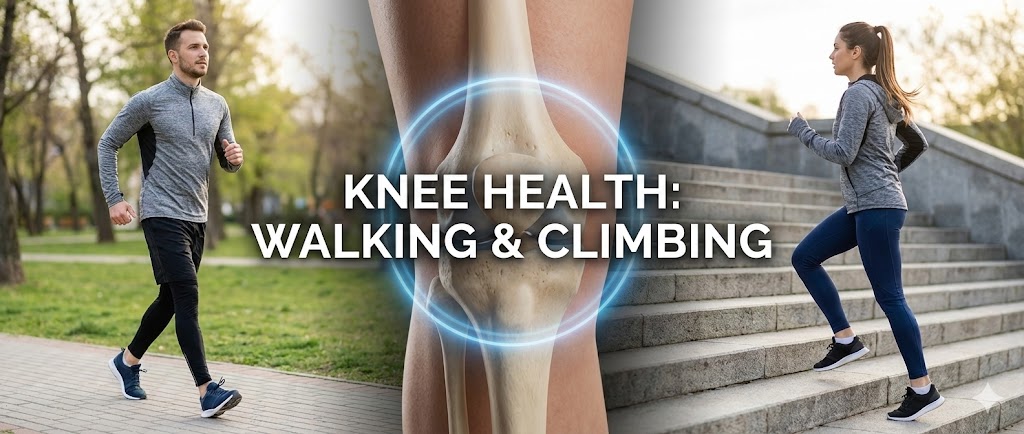
If you experience knee pain climbing stairs, it can develop from many factors, including osteoarthritis, patellofemoral pain syndrome (runner’s knee), meniscus tears, and tendinitis. Each of these conditions affects the knee joint in a different way, and so it is important to know the cause of your knee pain in order to safely and effectively treat it. The trained team at Phoenix Physio in Wendover and Aylesbury can diagnose and manage your knee pain effectively.
- Treatment depends on the cause. It could include physical therapy, pain management, strengthening exercises, or—in some cases—a referral for surgery. We are here to help you feel comfortable moving again, whether you are searching for the best physiotherapist in Wendover or the best physiotherapy clinic in Aylesbury.
Quick Answer
Knee pain climbing stairs is usually caused by patellofemoral pain syndrome, osteoarthritis, a meniscus tear, or tendinitis. Stairs load the knee up to 2–4 times your body weight, which is why pain that’s mild on flat ground often becomes sharp on stairs. If pain lasts more than two weeks or comes with swelling or clicking, see a physiotherapist for an accurate diagnosis.
What Causes Knee Pain Climbing Stairs?
Knee pain during basic activities like walking or taking the stairs is a common issue — and it often points to underlying problems with your knee joint, muscles, or alignment. At Phoenix Physio, with clinics in Wendover and Aylesbury, we treat dozens of people suffering from knee discomfort caused by poor biomechanics, past injuries, or age-related wear and tear.
Ignoring these signs can lead to chronic pain or more serious damage. Let’s explore the most common causes of knee pain while walking or climbing stairs and how our expert physiotherapists can help you recover.
Why Knee Pain Climbing Stairs Gets Worse Than Walking
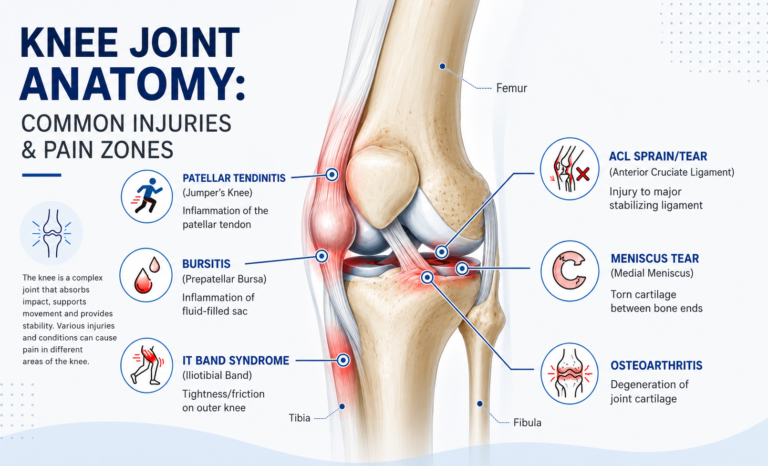
Climbing stairs is far more demanding on your knee joint than walking on flat ground. With each step, your knee can bear up to 2–4 times your body weight—largely through the patellofemoral joint, where your kneecap meets your thigh bone.
This happens because stair climbing requires your knee to bend more deeply while still supporting your full weight. That deeper bend increases pressure directly behind the kneecap, which is why pain that’s barely noticeable on flat ground often becomes sharp or persistent on stairs.
Weakness in the hip abductors and external rotators can make this worse. When these muscles aren’t strong enough, the knee can collapse slightly inward during each step, placing uneven stress on the cartilage and increasing knee pain climbing stairs over time.
Knee Hurting When Going Up Stairs vs. Knee Sore When Walking Up Stairs
These often describe slightly different experiences. A sharp pain that appears only when your knee hurts going up stairs — but feels fine elsewhere — usually points to patellofemoral pain syndrome or chondromalacia, since ascending loads the kneecap directly.
A more general ache, where your knee feels sore walking up stairs over time rather than a sudden sharp pain, is more often linked to muscle fatigue, mild arthritis, or overuse. Either way, if the soreness or pain persists beyond a couple of weeks, it’s worth getting assessed rather than pushing through it.
Common Causes of Knee Pain Climbing Stairs
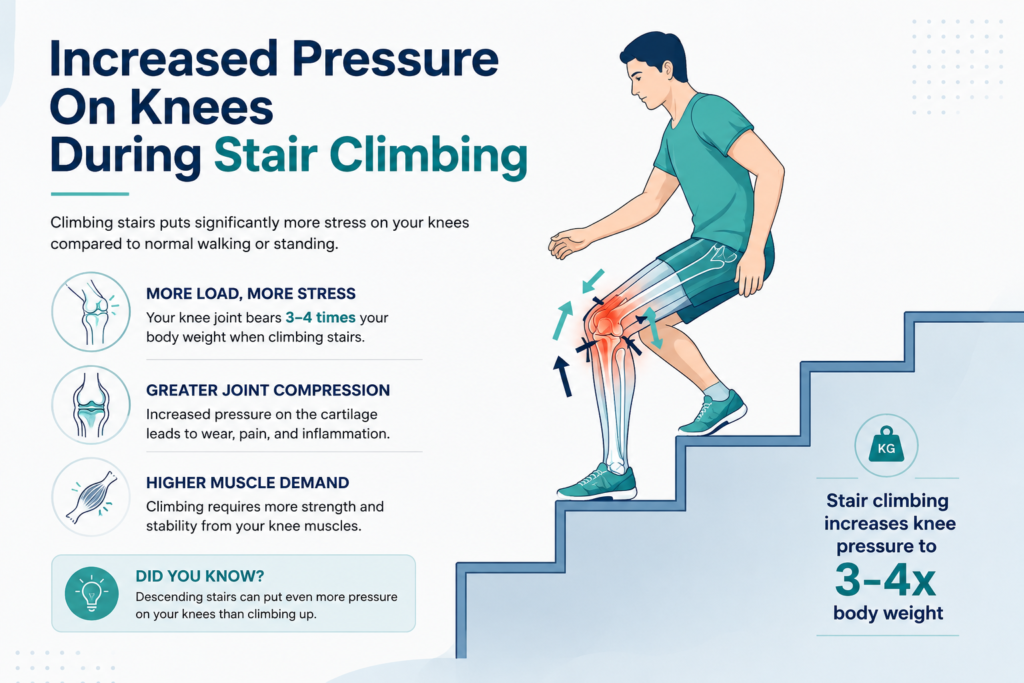
Knee pain when walking or using stairs can result from several underlying issues, including injuries such as ligament tears, meniscus damage, or chronic conditions like arthritis and patellofemoral pain syndrome. In many cases, muscle imbalances, excess body weight, or even prolonged sitting can place strain on the knee joint, especially during weight-bearing movements like climbing stairs. At Phoenix Physio, our experienced team offers tailored physiotherapy in Wendover and Aylesbury to find out exactly what’s causing it of your knee pain.
Whether it’s due to sports injuries, joint degeneration, or poor posture, full treatment plan focuses on reducing pain, improving mobility, and helping you return to normal activity with confidence. If you’re looking for the best physiotherapist in Wendover or a trusted physiotherapy clinic in Aylesbury, we’re here to help.
1. Patellofemoral Pain Syndrome (Runner’s Knee)
Patellofemoral pain syndrome (PFPS), or runner’s knee, causes pain at the front of the knee, around the kneecap. It’s one of the leading causes of knee pain when climbing stairs. It happens when the kneecap doesn’t track properly, irritating the cartilage beneath.
The pain often worsens with running, squatting, or using stairs. Anyone can develop PFPS, not just runners — especially people who suddenly increase activity or have muscle imbalances.
Our physiotherapists in Wendover and Aylesbury assess PFPS and treat the root cause, so you can regain strength and return to pain-free movement.
Symptoms:
- Stiffness and aching
- Swelling in the joint
- Pain during movement or after rest
2. Osteoarthritis
Osteoarthritis is a chronic joint disease. The protective cartilage that cushions the ends of bones gradually breaks down, leading to pain, stiffness, swelling, and loss of mobility. It’s the most common form of arthritis and often develops with age — one reason older adults frequently notice their knee hurting when going up stairs before any other activity. Prior joint damage, repetitive stress, or joint structure can also contribute. At Phoenix Physio we provide thorough and personal physiotherapy at our treatment venues in Wendover and Aylesbury to ensure you are managing your osteoarthritis symptoms as effectively as possible. Unfortunately, there is no definitive cure for osteoarthritis.
However, appropriate physiotherapy treatment is one way trauma or post-surgical pain can be alleviated, pain can be reduced, joint function can be improved, and quality of life can be enhanced. Whether you are looking for physical therapy in Aylesbury or looking for the best physiotherapist in Wendover, we have the experience to help you re-establish good long-term joint health.
This wear-and-tear condition affects the cartilage in your joints. As a result, bone eventually rubs against bone, causing inflammation and pain.

3. Meniscus Tear
A meniscus tear is one of the most common reasons knees hurt while climbing stairs, especially among athletes and active individuals. It can happen suddenly during sports or from simple daily activities like squatting or twisting awkwardly. At Phoenix Physio, we regularly help people from Wendover and Aylesbury recover from meniscus injuries. Common symptoms include knee pain, swelling, stiffness, and a catching or locking sensation when you move your knee. With tailored physiotherapy in Aylesbury and Wendover, many patients avoid surgery and get back to their normal activities faster with improved strength and mobility.
The meniscus is the cartilage that cushions your knee joint. However, a sudden twist, deep squat, or fall can cause a tear.
Symptoms:
- Sharp pain with movement
- Swelling
- Locking or clicking of the knee
Our sports physiotherapy clinic in Wendover offers targeted rehab to heal meniscus injuries without surgery whenever possible
4. Tendinitis
Tendinitis is a frequent cause of knee pain climbing stairs, especially with overuse or repetitive stress. It’s the inflammation or irritation of a tendon, usually from repeated strain rather than a single injury.
Our physiotherapy team in Wendover and Aylesbury can identify and treat tendinitis with corrective exercise, hands-on care, and ongoing assessment.
Symptoms:
- Pain during or after activity
- Tenderness along the front or sides of the knee
- Muscle tightness or stiffness
5. Muscle Weakness
Weak muscles around the knee — particularly the quads, hip abductors, and glutes — are one of the most common and most fixable causes of stair-related knee pain. When these muscles can’t properly support the joint, the knee absorbs stress it wasn’t built to handle alone, especially during the deep bend stairs require.
Symptoms:
- A feeling of the knee being “unstable” on stairs
- Pain that improves with rest but returns quickly with activity
- Visible muscle imbalance between legs
At Phoenix Physio, targeted strengthening is often the single most effective long-term fix for this cause.
Why Does Going Downstairs Hurt More Than Going Up?
Many people assume climbing up is harder on the knees, but descending stairs often causes more pain — and for a different reason. Going down requires your quadriceps to control your body weight against gravity with each step, which places significant force through the kneecap and the cartilage behind it.
This is especially common with chondromalacia patellae and patellofemoral pain syndrome, where the kneecap is already under strain. If your knee hurts more going down stairs than up, it often points toward cartilage-related irritation rather than a muscular cause — worth mentioning specifically when you see a physiotherapist, since it changes what they’ll check first.
Exercises to Help Knee Pain Climbing Stairs
These exercises are commonly used in physiotherapy to build the strength and control your knee needs for stairs. Start gently and stop if you feel sharp pain.
1. Straight Leg Raise — Lie on your back, one knee bent. Keep the other leg straight and lift it to hip height, hold briefly, lower slowly. Strengthens the quads without bending the knee.
2. Wall Sit — Back against a wall, slide down until knees are at roughly 45–60°. Hold for 15–30 seconds. Builds quad endurance.
3. Step-Ups — Step onto a low step or platform, one leg at a time, focusing on control rather than speed. Directly mimics the stair-climbing motion.
4. Glute Bridge — Lie on your back, knees bent, feet flat. Lift your hips, squeeze your glutes, lower slowly. Strengthens the muscles that stabilize the knee from above.
5. Clamshells — Lying on your side, knees bent, lift the top knee while keeping feet together. Targets the hip abductors, which control inward knee collapse on stairs.
6. Mini Squats — Small, controlled squats, only going as low as comfortable. Builds functional strength without overloading the joint.
A physiotherapist can tell you which of these are appropriate for your specific cause of knee pain — some exercises help one condition and aggravate another.
Physiotherapy Treatment for Knee Pain Climbing Stairs in Wendover & Aylesbury
A physiotherapy treatment plan for knee pain generally incorporates a combination of strategies to prevent pain, regain range of motion, and strengthen the knee. Our physiotherapists in Wendover and Aylesbury at Phoenix Physio will begin with a thorough assessment to establish the underlying cause of your knee discomfort. From there we will devise a customised plan that will typically combine strengthening, manual therapy, possibly electrotherapy and educating you on movement strategy.
Whether it is an injury, arthritis, or following a surgical procedure, our experienced team at the best physiotherapy clinics in Wendover and Aylesbury will assist you with confidence and get you back to your normal daily life free from pain. Your treatment may include:
- Manual therapy and soft tissue release
- Strengthening exercises for quads, hamstrings, and glutes
- Gait analysis and correction
- Balance and proprioception training
- Taping or bracing (if needed)
- Lifestyle and posture advice
We don’t just help you recover from knee pain; we help prevent it from coming back.
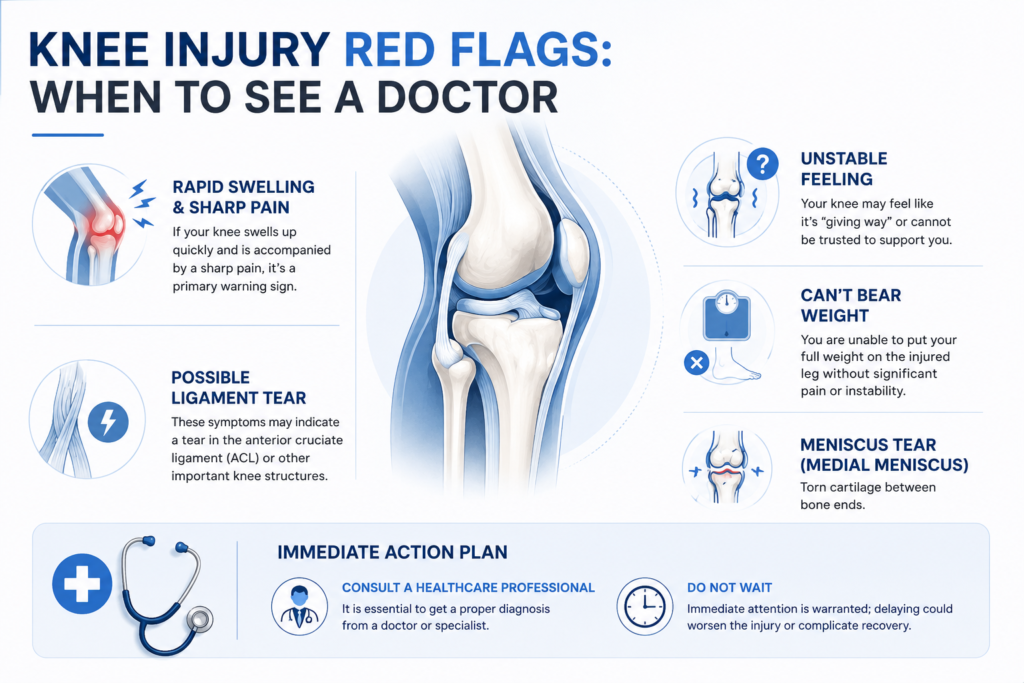
Pain, stiffness, or injury might feel like something you can “walk off,” but delaying treatment can often lead to longer recovery times or more serious problems. So, when should you actually see a physiotherapist? At Phoenix Physio in Wendover and Aylesbury, we recommend seeking physiotherapy as soon as pain, discomfort, or movement limitations begin to affect your daily life.
Book an appointment at Phoenix Physio Wendover or Aylesbury if you experience:
- Persistent pain when climbing stairs or walking
- Swelling or instability in the knee
- Clicking, locking, or weakness
- Pain that worsens with time or activity
- A history of knee injuries or arthritis
Why Choose Phoenix Physio?
At Phoenix Physio, we’re more than just a clinic; we’re your recovery partner. With years of experience and a proven track record, we provide one-on-one, hands-on care to help you recover faster, move better, and live pain-free. Whether you’re dealing with a recent injury, ongoing joint pain, or post-surgery rehabilitation, our expert team is here to support you every step of the way.
- Expert physiotherapists in Wendover & Aylesbury
- Sports injury specialists
- Tailored recovery programs based on your body
- Early appointments and full assessments
- 5-star local reviews from real patients
Book Your Knee Pain Assessment Today
Don’t wait for your knee pain climbing stairs to worsen. Get the care you need from the trusted team at Phoenix Physio. Whether you’re dealing with a mild strain, an old injury, or arthritis, we’ll help you move better with less pain.
Book your appointment with the best physiotherapist in Wendover or the leading physiotherapy clinic in Aylesbury today.
Conclusion
Knee pain climbing stairs can stem from many causes, from muscle weakness or alignment issues to cartilage damage or arthritis. The exact location of the ache (front, side, or behind) offers clues, but it doesn’t always pinpoint the root problem. Pain may present differently depending on individual anatomy and movement patterns.
Don’t ignore persistent knee discomfort. If pain is sudden, worsening, or comes with swelling, locking, or giving way, seek professional evaluation promptly. Book your physiotherapy session today to address the cause, reduce pain, and regain confident movement.
Frequently Asked Questions
Why does my knee hurt going up stairs but not down?
This pattern often points to a condition called chondromalacia patellae — where the cartilage under the kneecap softens and wears down. Going up stairs bends the knee more deeply and loads the kneecap directly, which is why the pain shows up there but not when walking on flat ground or even going down stairs, which loads the joint differently. It’s difficult to treat knee pain effectively without knowing the exact cause, so a proper assessment is the best next step.
Does knee pain climbing stairs always mean arthritis?
No. Arthritis is one possible cause, but many people with knee pain climbing stairs are actually dealing with runner’s knee, a meniscus tear, or tendinitis instead. A proper assessment is the only way to know for sure — self-diagnosing based on stair pain alone isn’t reliable.
Is it normal to have knee pain climbing stairs?
Occasional mild discomfort can happen, especially after a long day or an intense workout. However, ongoing or sharp knee pain climbing stairs is not something to ignore. It usually signals an underlying issue like muscle weakness, poor alignment, or joint wear.
How do I stop knee pain when climbing stairs?
Strengthening your quads, hamstrings, and glutes is the first step. In addition, correcting your gait and wearing proper footwear can help take pressure off the joint. A physiotherapist can build a plan targeted at your specific cause of knee pain climbing stairs, rather than guessing at generic exercises.
When should I see a physiotherapist for knee pain climbing stairs?
See a physiotherapist if the pain lasts more than two weeks, worsens with activity, or comes with swelling or clicking. Also, don’t wait if your knee feels unstable or gives way. Early assessment usually means a faster, simpler recovery.
Can weak muscles cause knee pain climbing stairs?
Yes. Weak quads, hamstrings, or glutes shift extra load onto the knee joint itself. Over time, this imbalance leads to strain, inflammation, and pain — especially during stair climbing, which already demands more from the knee than flat walking.
Can knee pain climbing stairs go away on its own?
Mild, occasional soreness sometimes settles with rest. However, pain that persists, worsens, or keeps recurring usually won’t resolve without addressing the underlying cause — continuing to climb stairs on an unresolved issue can make it worse over time.
What happens during a physiotherapy assessment for knee pain?
Your physiotherapist will typically assess your gait, watch you climb stairs, test your knee’s range of motion and strength, and check for swelling or instability. This helps pinpoint the exact cause rather than guessing from symptoms alone.
Why does my knee hurt more going down stairs than up?
This usually points to cartilage-related irritation, such as chondromalacia patellae, since descending places more control-based force through the kneecap than ascending does.