Introduction
Recovering from a serious injury, accident, surgery, or traumatic physical event can be one of the most challenging experiences a person faces. Beyond the initial pain and medical treatment, many individuals struggle with reduced mobility, muscle weakness, stiffness, and a loss of confidence in their body’s ability to function normally.
Post trauma recovery is the process of rebuilding physical strength, restoring movement, and regaining independence after an injury. While the body naturally heals over time, professional physiotherapy can significantly improve recovery outcomes, helping patients return to their daily activities safely and efficiently.

What Is Post Trauma Recovery?
Post trauma recovery refers to the rehabilitation process following an injury, accident, surgery, or physical trauma. It focuses on reducing pain, restoring mobility, rebuilding strength, and helping individuals return to their normal daily activities safely.
Traumatic injuries can affect muscles, ligaments, tendons, joints, bones, and nerves. Even after the injury itself has healed, many people continue to experience limitations that impact their quality of life.
Common Injuries That Require Physiotherapy Rehabilitation
Many different injuries can benefit from professional physiotherapy rehabilitation.
Fractures and Broken Bones
After immobilisation in a cast or brace, joints and muscles often become stiff and weak. Physiotherapy helps restore movement and rebuild strength following bone healing.
Sports Injuries
Common sports injuries include:
- ACL tears
- Ankle sprains
- Hamstring strains
- Shoulder injuries
- Rotator cuff tears
- Tendon injuries
Sports rehabilitation focuses on restoring performance and preventing future injuries.
Road Traffic Accident Injuries
Car accidents frequently cause:
- Whiplash
- Neck pain
- Back pain
- Shoulder injuries
- Soft tissue trauma
Targeted physiotherapy helps reduce pain and improve movement after these injuries.
Workplace Injuries
Physiotherapy can help with:
- Repetitive strain injuries (RSIs)
- Back and neck pain
- Slips, trips, and falls
- Muscle strains and sprains
Rehabilitation helps reduce pain, restore movement, and support a safe return to work.
Post-Surgical Recovery
Physiotherapy is often recommended following:
- Joint replacement surgery
- Ligament reconstruction
- Fracture repair surgery
- Spinal procedures
Rehabilitation supports a safe return to normal activities while improving surgical outcomes.
Why Physiotherapy Is Important After Trauma
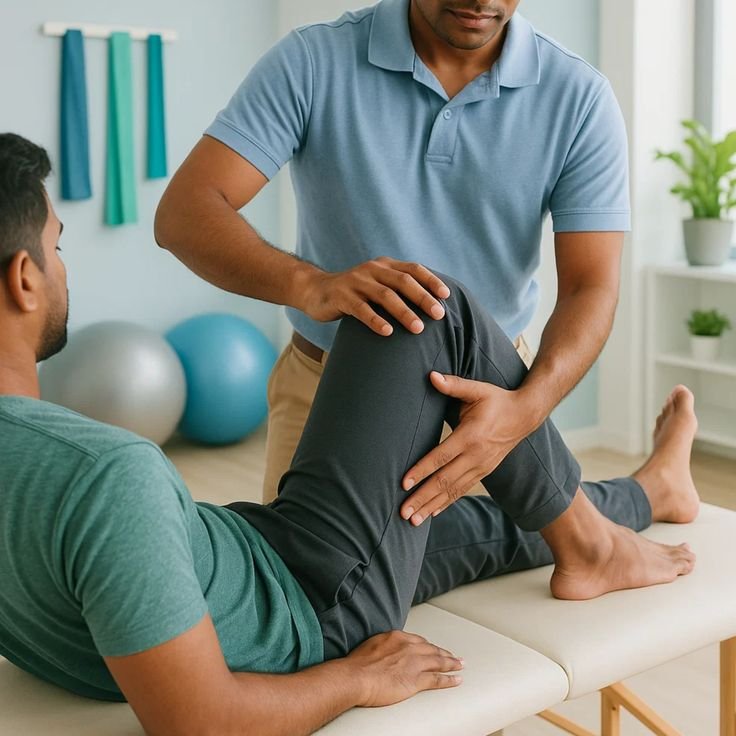
Physiotherapy helps restore strength, mobility, flexibility, and function after trauma while reducing pain and preventing long-term complications.
After an injury, many people instinctively avoid movement due to pain or fear of causing further damage. While rest is important initially, prolonged inactivity can lead to muscle weakness, stiffness, poor posture, and delayed recovery.
Physiotherapy provides a structured and progressive approach to recovery. Through guided exercises, manual therapy, and movement education, patients can safely regain their physical abilities without overloading healing tissues.
Key Benefits of Physiotherapy for Post Trauma Recovery
Reduces Pain Naturally
Physiotherapy uses evidence-based techniques to reduce pain without relying solely on medication.
Treatment may include:
- Manual therapy
- Soft tissue mobilisation
- Stretching
- Exercise therapy
Restores Mobility
Trauma often causes stiffness and restricted movement.
Physiotherapy helps improve:
- Joint flexibility
- Range of motion
- Functional movement
Rebuilds Strength
Muscle weakness commonly develops after injury or surgery.
A progressive strengthening programme helps patients regain:
Muscle mass
Endurance
Stability
Improves Balance and Coordination
Balance training helps restore confidence and reduces the risk of falls or further injuries.
Speeds Up Recovery
Structured rehabilitation encourages safe movement and promotes tissue healing.
Prevents Future Injuries
Physiotherapists identify weaknesses and movement dysfunctions that could contribute to future injuries.
The Stages of Post Trauma Recovery
Understanding the different stages of recovery helps patients set realistic expectations.
Stage 1: Acute Recovery
During the initial phase, treatment focuses on:
- Pain management
- Swelling reduction
- Tissue protection
- Early movement
The goal is to support healing while minimising complications.

Stage 2: Restoring Mobility
Once healing has begun, physiotherapy focuses on improving flexibility and movement.
Common interventions include:
- Stretching
- Joint mobilisation
- Gentle exercises
Stage 3: Strength Rehabilitation
As mobility improves, strengthening exercises become increasingly important.
This stage focuses on:
- Muscle rebuilding
- Joint stability
- Functional movement patterns
Stage 4: Functional Recovery
Patients begin performing activities that mimic daily tasks.
Examples include:
- Walking
- Climbing stairs
- Lifting objects
- Work-specific movements
Stage 5: Return to Activity
The final phase prepares individuals to safely return to:
- Work
- Sports
- Exercise
- Everyday life
The focus is on maintaining long-term physical health and preventing re-injury.
Physiotherapy Treatments Used in Trauma Rehabilitation
Every rehabilitation programme is tailored to the individual’s injury, goals, and stage of recovery.
Manual Therapy
Manual therapy involves hands-on techniques designed to:
- Improve joint movement
- Reduce stiffness
- Relieve pain
Therapeutic Exercise
Exercise is one of the most effective rehabilitation tools.
Programmes are designed to improve:
- Strength
- Flexibility
- Endurance
- Function
Soft Tissue Therapy
Soft tissue techniques help address:
- Muscle tightness
- Scar tissue restrictions
- Reduced flexibility
Balance and Stability Training
Balance exercises improve coordination and reduce injury risk.
Functional Rehabilitation
Patients practise real-life movements required for work, sport, and daily activities.
How Long Does Post Trauma Recovery Take?

Recovery time varies depending on the injury and individual healing process.
| Injury Type | Estimated Recovery |
|---|---|
| Minor Strains & Sprains | 2–8 Weeks |
| Moderate Injuries | 2–6 Months |
| Fractures | 3–6 Months |
| Surgical Recovery | 6–12 Months |
| Complex Trauma | 12+ Months |
Consistent physiotherapy and following your rehabilitation plan can help support a smoother and more effective recovery.
Tips to Support Recovery and Prevent Re-Injury
Follow Your Physiotherapy Programme
Completing prescribed exercises consistently is one of the most important factors in successful recovery.
Stay Active
Movement promotes circulation and tissue healing.
Avoid Doing Too Much Too Soon
Returning to strenuous activities before the body is ready can delay recovery.
Prioritise Sleep
Quality sleep supports muscle repair and tissue regeneration.
Maintain Good Nutrition
A balanced diet rich in protein, vitamins, and minerals supports healing.
Stay Hydrated
Proper hydration helps maintain tissue health and recovery.
Listen to Your Body
Pain and excessive fatigue can indicate that your body needs additional recovery time.
How Phoenix Physio Can Help You Regain Strength and Mobility
At Phoenix Physio, we understand that every injury and recovery journey is different.
Our experienced physiotherapists create personalised rehabilitation programmes designed around your specific goals and lifestyle.
Our Trauma Rehabilitation Services Include:
- Comprehensive Physiotherapy Assessments
- Post-Surgical Rehabilitation
- Sports Injury Rehabilitation
- Manual Therapy
- Exercise Therapy
- Mobility Training
- Strength and Conditioning
- Balance and Coordination Rehabilitation

Why Choose Phoenix Physio?
✔ Experienced Physiotherapists
✔ Personalised Treatment Plans
✔ Evidence-Based Care
✔ Modern Rehabilitation Techniques
✔ Friendly and Supportive Environment
✔ Clinics in Wendover and Aylesbury
Our goal is to help you recover faster, move better, and return to the activities you enjoy with confidence.
Why Choose Physiotherapy for Recovery?
Physiotherapy is a safe, effective, and non-invasive treatment option that focuses on addressing the root cause of pain and movement limitations.
Unlike treatments that simply manage symptoms, physiotherapy helps restore function and improve overall physical wellbeing.
Benefits include:
- Drug-free pain relief
- Improved mobility
- Faster recovery
- Better physical performance
- Reduced injury risk
- Improved quality of life
Whether you are recovering from surgery, a sports injury, or a serious accident, physiotherapy provides the guidance and support needed for long-term recovery success.
Conclusion
Post trauma recovery is a journey that requires expert guidance, structured rehabilitation, and ongoing support. Whether you are recovering from an accident, surgery, sports injury, or workplace trauma, physiotherapy can play a vital role in helping you regain strength, restore mobility, and return to everyday life safely.
At Phoenix Physio, our experienced team provides personalised rehabilitation programmes designed to support every stage of recovery. Through evidence-based treatment and patient-centred care, we help individuals achieve lasting results and regain confidence in their physical abilities.
If you are currently recovering from an injury or trauma, seeking professional physiotherapy support could be one of the most important steps towards achieving a full and successful recovery.
FAQ Section (AEO Optimised)
What is post trauma recovery?
Post trauma recovery is the rehabilitation process that helps individuals regain strength, mobility, and function after an injury, accident, surgery, or other physical trauma.
How does physiotherapy help after trauma?
Physiotherapy helps reduce pain, restore movement, improve strength, and support a safe return to daily activities following an injury or traumatic event.
How long does trauma rehabilitation take?
Recovery can take anywhere from a few weeks to several months depending on the severity of the injury, overall health, and commitment to rehabilitation.
When should I start physiotherapy after an injury?
In most cases, physiotherapy should begin as soon as it is medically safe to do so. Early intervention often leads to better recovery outcomes.
Can physiotherapy prevent future injuries?
Yes. Physiotherapy improves strength, mobility, balance, and movement patterns, helping reduce the risk of future injuries and recurring pain.