Muscle Strains: Causes, Symptoms, Recovery and How Physiotherapy Helps
Muscle strains are one of the most common soft tissue injuries, affecting athletes and non-athletes alike. Whether caused by overuse, sudden movements, or heavy lifting, a strained muscle can lead to pain, stiffness, swelling, and reduced mobility. Understanding the causes, symptoms, and treatment options is essential for a safe recovery. Physiotherapy plays a vital role in reducing pain, restoring strength, and preventing future injuries through personalised rehabilitation programmes.
How Physiotherapy Helps You Recover Faster from Muscle Strains
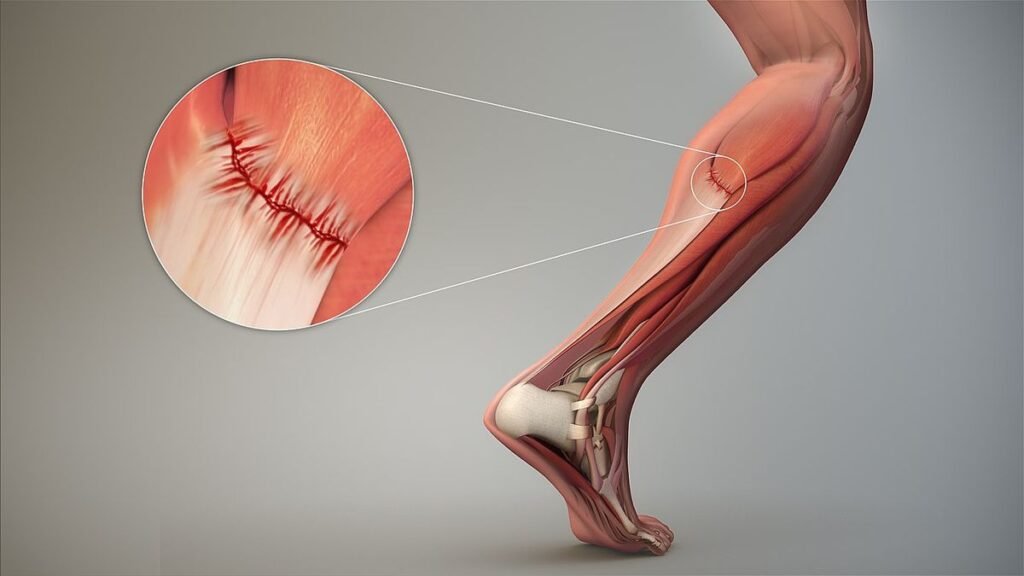
Muscle strains can affect everyday activities and sports performance. Physiotherapy accelerates recovery by reducing pain and swelling, improving blood circulation, restoring range of motion, and rebuilding muscle strength. Through targeted rehabilitation exercises and hands-on therapy, physiotherapy helps prevent reinjury and supports a safe return to normal activities.
Muscle Strain vs Muscle Sprain: Understanding the Key Differences
Although the terms are often used interchangeably, muscle strains and sprains affect different tissues. A strain involves damage to muscles or tendons, while a sprain affects ligaments that connect bones. Both injuries can cause pain and swelling, but strains commonly result in muscle spasms, whereas sprains often lead to joint instability. Accurate diagnosis is important for effective treatment and recovery.
Common Causes of Muscle Strains and How to Prevent Them
Muscle strains occur when muscle fibres are overstretched or torn. Common causes include sudden movements, overuse, heavy lifting, fatigue, poor posture, and inadequate warm-ups. Maintaining flexibility, warming up properly, strengthening muscles, and avoiding sudden increases in activity can help reduce the risk of injury. Physiotherapy can also provide personalised prevention strategies.Certain muscles, such as the hamstrings, calves, lower back, and shoulders, are particularly prone to strains due to the demands placed on them during daily activities and sports. Staying hydrated, allowing adequate recovery between workouts, and using proper lifting techniques can further reduce the risk of injury. Identifying and addressing early signs of muscle fatigue or tightness can help prevent minor issues from developing into more serious muscle strains.

Pulled Muscle Recovery: How Long Does It Take and What Speeds Healing?
Recovery time depends on the severity of the injury. Mild muscle strains may heal within two to four weeks, while more severe tears can require six to eight weeks or longer. Following the P.R.I.C.E. principle (Protection, Rest, Ice, Compression, and Elevation) and participating in a progressive rehabilitation programme can accelerate healing and restore normal function.
Best Exercises for Muscle Strain Rehabilitation and Pain Relief

Muscle strain rehabilitation typically progresses through three stages: protection, mobilisation, and strengthening. Gentle stretching, isometric exercises, and progressive resistance training help restore flexibility, improve muscle function, and reduce pain. A personalised exercise programme ensures safe recovery and lowers the risk of recurrence.

Signs and Symptoms of a Muscle Strain You Should Never Ignore
Common symptoms include pain, swelling, bruising, stiffness, and muscle weakness. Severe pain, a popping sensation, inability to bear weight, numbness, or persistent symptoms may indicate a more serious injury and should not be ignored. Early physiotherapy treatment can help prevent complications and promote faster recovery.
Can You Walk or Exercise with a Muscle Strain? Expert Physiotherapy Advice
Walking and exercise may be beneficial after the initial inflammatory phase has passed. During the first 48 to 72 hours, rest and protection are important. Gradually reintroducing low-impact activities can improve circulation and prevent stiffness. However, exercising through pain may worsen the injury, making professional guidance essential.
Why Muscle Strains Keep Coming Back and How Physiotherapy Prevents Reinjury
Recurring muscle strains are often caused by incomplete healing, muscle weakness, scar tissue, poor movement patterns, or returning to activity too soon. Physiotherapy addresses these underlying factors through strengthening exercises, movement correction, and sport-specific rehabilitation, reducing the likelihood of future injuries. A physiotherapist can also identify biomechanical issues, improve flexibility, and develop a tailored injury-prevention programme to ensure the affected muscles can tolerate everyday and sporting demands. This comprehensive approach not only supports long-term recovery but also helps improve overall performance and confidence in movement. Education on proper warm-up techniques, recovery strategies, and training loads can further reduce strain on muscles.
Sports-Related Muscle Strains: Treatment and Recovery Guide for Athletes
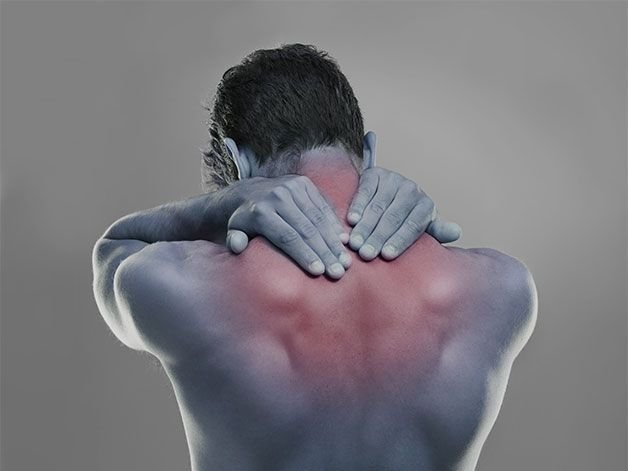
Athletes commonly experience muscle strains due to sudden acceleration, overuse, or inadequate warm-ups. Successful recovery requires early treatment, progressive loading, and sport-specific conditioning. Physiotherapy helps athletes regain strength, restore performance, and return safely to training and competition.
When Should You See a Physiotherapist for a Muscle Strain?

You should seek physiotherapy if pain, swelling, bruising, or weakness persists, or if the injury affects your daily activities. If symptoms fail to improve after five to seven days of self-care, professional assessment is recommended. Early intervention can speed up recovery and help prevent long-term problems.
Conclusion
Muscle strains are common injuries, but with early treatment and appropriate rehabilitation, most people can make a full recovery. Physiotherapy helps reduce pain, restore mobility, improve strength, and prevent future injuries. Whether you are recovering from a sports injury or experiencing muscle pain during everyday activities, a personalised rehabilitation programme can help you return safely to the activities you enjoy.
FAQs
What is the fastest way to recover from a muscle strain?
Rest, ice, compression, elevation, and early physiotherapy can help speed up healing and restore muscle function.
How long does a pulled muscle take to heal?
Minor muscle strains usually heal within two to four weeks, while severe injuries may require six to eight weeks or longer.
Should I use ice or heat for a muscle strain?
Ice is recommended during the first 48 to 72 hours to reduce swelling. Heat therapy may be useful later in the recovery process.
Can physiotherapy help prevent muscle strains?
Yes. Physiotherapy improves strength, flexibility, and movement patterns, reducing the risk of recurrent injuries.
Can I exercise with a muscle strain?
Gentle activity may be beneficial after the acute stage, but exercising through pain should be avoided. A physiotherapist can provide a safe rehabilitation plan.
Where can I get muscle strain treatment in Wendover?
If you’re looking for Muscle Strain Treatment Wendover or Pulled Muscle Physiotherapy Wendover, Phoenix Physio provides personalised rehabilitation programmes to help relieve pain and restore mobility.
Do you offer sports injury rehabilitation in Aylesbury?
Yes. Phoenix Physio offers Sports Injury Rehabilitation Aylesbury for athletes and active individuals recovering from muscle strains and other musculoskeletal injuries.